
Here is a list of all 68 of the interviews conducted by Paul Quinn while Hangul Celluloid was online. The list is sorted alphabetically on the Romanised name of the actor / director. Where Paul met the film professional more than once, the more recent interview is listed first. Around half of the interviews were conducted by Paul alone (marked “Solo” below) and the remainder were group interviews with one or more other film reviewers / websites, usually hosted by or organised through the KCCUK (marked “Group” below). One of the interviews was conducted jointly with LKL (marked “Joint” below). For a complete list of all film-related interview articles on LKL (around 90, including Hangul Celluloid’s) click here.
| Name | Date | Summary | Image |
| Ahn Sung-ki | Nov 2014 (Group) | Actor Ahn Sung-ki discusses Korean cinema’s social power, working under censorship, collaborating with Im Kwon-taek, and choosing roles that move audiences. |
 |
| Bae Chang-ho | Nov 2017 (Group) | Director Bae reflects on the evolution of his film-making career, touching on classics such as Whale Hunting, People of the Slum, My Heart and The Trip |
 |
| Bae Doon-na | Sep 2015 (Group) | Actor Bae Doo-na discusses A Girl at My Door, social themes, role choices, Korean and international cinema, and key films shaping her career. |
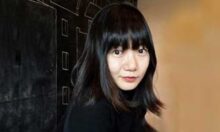 |
| Baek Yoon-sik | Nov 2016 (Group) | Baek Yoon-sik discusses his career across TV and film, key roles in Save the Green Planet and The President’s Last Bang, and his approach to acting and scripts. |
 |
| Cho Jungrae | Nov 2021 (Joint) | Director Cho Jungrae explores Pansori, music direction, and cinematic tradition in “The Singer“, reflecting on legacy, modernity, and cultural resonance |
 |
| Cho Young-wuk | Sep 2014 (Group) | Composer Cho Young-wuk explains his film scoring process, motifs, collaborations with Park Chan-wook, instrument choices, and iconic works like Oldboy and Kundo |
 |
| Choi Dong-hoon | Nov 2012 (Solo) | Director Choi Dong-hoon discusses genre filmmaking, character-driven storytelling, The Thieves, casting choices and reaching Korean and international audiences. |
 |
| Choi Min-sik | Sep 2013 (Group) | Actor Choi Min-sik discusses Korean screen quotas, role selection, portraying violence and empathy, working with top directors, and sustaining Korean cinema. |
 |
| Choi Seung-ho | Feb 2014 (Solo) | Choi Seung-ho explains how Norigae confronts sexual exploitation, power abuse, and judicial leniency, drawing from real events to depict systemic injustice. |
 |
| Choo Chang-min and Ryoo Seung-ryong | Nov 2012 (Solo) | Director Choo Chang-min and actor Ryoo Seung-ryong discuss Masquerade, from period storytelling and casting balance to creative freedom and performance challenges. |
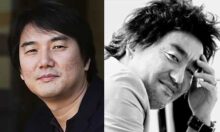 |
| Chung Chung-hoon | May 2014 (Group) | Chung Chung-hoon on cinematography, character-focused visuals, working with Park Chan-wook, colour and contrast, technology, and Korea vs Hollywood filmmaking. |
 |
| E J-yong | Feb 2012 (Group) | Director E J-yong discusses An Affair, Untold Scandal, genre experimentation, forbidden love, and his refusal to be tied to a single filmmaking style. |
 |
| Ha Jung-woo | Dec 2013 (Group) | Ha Jung-woo discusses research-driven acting, his directing debut, action roles, collaboration, and creativity, discussing The Chaser, The Berlin File and more |
 |
| Han Yeo-reum | Sep 2012 (Solo) | Actress Han Yeo-reum discusses Samaria and The Bow, female sexuality, non-verbal performance, TV versus film acting, and choosing roles by story and character. |
 |
| Huh Jung | Nov 2013 (Solo) | Huh Jung explains how Hide and Seek uses realistic Korean settings, horror conventions, and social fears around home and property to create an unsettling debut. |
 |
| Im Kwon-taek | Oct 2012 (Group) | Im Kwon-taek discusses women in Korean cinema, Confucian norms, pansori, artistic freedom, life experience, and the social forces shaping Korean film. |
 |
| Im Sang-soo | Nov 2010 (Solo) | Im Sang-soo talks about The Housemaid, its relationship to Kim Ki-young’s classic, and his recurring themes of sex, power, patriarchy and class |
 |
| Jeon Go-woon | Nov 2018 (Group) | Jeon Go-woon discusses Microhabitat, personal choice over stability, youth and music, male vulnerability, and the challenges of independent filmmaking. |
 |
| Jeon Kye-soo | May 2012 (Group) | Director Jeon Kye-soo discusses philosophy, theatre, mythology, music, and genre—from Midnight Ballad for Ghost Theatre to the box-office hit Love Fiction. |
 |
| Jeon Kyu-hwan | Sep 2012 (Group) | Jeon Kyu-hwan discusses marginalised lives, graphic realism, low-budget filmmaking, creative independence, and resisting Korea’s commercial film system. |
 |
| Jung Ji-woo | Nov 2012 (Group) | Jung Ji-woo discusses Eungyo, aging in Korean society, controversial desire, casting choices, creative freedom, and his approach to adaptation and directing. |
 |
| July Jung | Nov 2014 (Solo) | July Jung on A Girl at My Door, female filmmaking in Korea, loneliness, sexuality, social marginalisation and turning a small local story into a universal one |
 |
| Kang Woo-suk | Nov 2013 (Solo) | Kang Woo-suk discusses Korean cinema, social realism, the Public Enemy series, adapting webtoons, and balancing action and drama in Fists of Legend. |
 |
| Kang Yoon-sung | Oct 2017 (Group) | Kang Yoon-sung discusses The Outlaws, exploring real-life crime, action, casting, funding challenges, and his approach to commercial Korean cinema. |
 |
| Kim Han-min | Sep 2011 (Solo) | Director Kim Han-min discusses Arrow: The Ultimate Weapon, Korean history, genre balance, sound design, and the themes connecting his films. |
 |
| Kim In-geun | Dec 2012 (Solo) | Artist and filmmaker Kim In-geun discusses One Fine Day, creative life in London, Hong Sang-soo’s influence, and blending art, film and sound. |
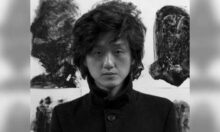 |
| Kim Jee-woon | Nov 2013 (Solo) | Kim Jee-woon discusses short films, genre experimentation, romantic comedy, and the differences between Korean cinema and Hollywood filmmaking systems. |
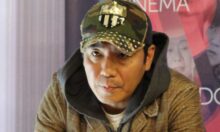 |
| Kim Jee-woon | Nov 2010 (Solo) | Kim Jee-woon discusses I Saw the Devil, censorship and controversy, revenge as theme, working with Choi Min-sik and Lee Byung-hun, and his work in Hollywood. |
 |
| Kim Joo-il | Jun 2013 (Solo) | North Korean defector Kim Joo-il discusses life under the regime, propaganda cinema, defection via China, refugee status and hopes for a unified Korea. |
 |
| Kim Kkobbi | Jun 2011 (Solo) | An in-depth interview with Kim Kkobbi discussing Breathless, her acting philosophy, Korean cinema, violence, theatre vs film, and future projects. |
 |
| Kim Seong-hun | Oct 2014 (Solo) | Kim Seong-hun discusses A Hard Day, genre evolution, cinematic influences, corruption as storytelling device, and misconceptions about Korean film violence. |
 |
| Kim Sol | Nov 2019 (Group) | Director Kim Sol discusses Scattered Night, co-directing, minimal use of music, child performances, and portraying divorce with emotional restraint. |
 |
| Kim Sung-soo and Jung Woo-sung | Nov 2016 (Group) | Jung Woo-sung and Kim Sung-soo discuss Asura, exploring corruption, extreme characters, long-term collaboration, and the demands of dark roles in Korean cinema. |
 |
| Kim Sung-su | Nov 2013 (Solo) | Kim Sung-su discusses Flu, realistic disaster filmmaking, epidemic fears, national responses to crisis, and balancing entertainment with social themes. |
 |
| Kim Yang-hee, Yang Ik-june | Nov 2018 (Group) | Kim Yang-hee and Yang Ik-june discuss The Poet and the Boy, LGBT representation in Korean cinema, poetry, casting challenges, and changing social attitudes. |
 |
| Kim Yoon-seok | Nov 2012 (Solo) | Actor Kim Yoon-suk on choosing film over TV, working on The Chaser and The Thieves, social issues in thrillers, and Korean cinema’s global appeal. |
 |
| Lee Byeong-heon | Nov 2019 (Group) | Director Lee Byeong-hyeon talks comedy, action, Korean cinema and the making of Extreme Job in a wide-ranging and candid interview. |
 |
| Lee Byung-hun | Nov 2012 (Solo) | Lee Byung-hun discusses Masquerade, political storytelling, acting in Hollywood, cultural differences and the balance between star power and emerging talent in Korean cinema. |
 |
| Lee Hyeon-seung | Jul 2012 (Group) | Lee Hyeon-seung explores subconscious symbolism in Il Mare; feminism, symbolism, colour, sexuality, genre-blending, and his return to directing with Hindsight |
 |
| Lee Jae-han (John H Lee) | Mar 2011 (Solo) | John H. Lee discusses 71 – Into the Fire, filming war scenes on a limited budget, global reception, Korean War memory, and his film A Moment to Remember |
 |
| Lee Jang-ho | Nov 2016 (Solo) | Director Lee Jang-ho on censorship, Declaration of Idiot, sexuality as resistance, Shin Sang-ok’s abduction, and the limits of social critique in Korean cinema today. |
 |
| Lee Joon-ik | Nov 2013 (Solo) | Lee Joon-ik discusses Hope/소원, its focus on child abuse, legal reform, victim support, and his approach to directing Lee Re in an emotionally demanding role. |
 |
| Lee Joon-ik | Jun 2012 (Group) | Director Lee Joon-ik discusses The King and the Clown, historical cinema, artistic risk, Korean film culture, and his humanist approach to storytelling |
 |
| Lee Myung-se | Nov 2018 (Group) | Director Le Myung-se discusses 90s love stories, action films, creative freedom, visual storytelling, music, and concerns over data-driven trends in filmmaking. |
 |
| Lee Myung-se | Jan 2012 (Solo) | Director Lee Myung-se discusses Nowhere to Hide, Duelist, M, and his philosophy of cinema, memory, music, and cinematic balance across genres. |
 |
| Lee Wan-min, Kim Sae-byuk | Nov 2017 (Group) | Lee Wan-min and Kim Sae-byuk discuss Jamsil, exploring memory, feminism, use of colour, and the challenges of making and sustaining independent Korean cinema. |
 |
| Yoon Jung Lee | Apr 2012 (Solo) | Yoon Jung Lee talks Remember O Goddess, memory, modern city life, Kickstarter funding, Korean independent cinema, and being a female director. |
 |
| Lee Yoon-ki | Aug 2012 (Group) | Lee Yoon-ki discusses intimate relationship dramas, actor-led storytelling, American indie influences, funding challenges, and the universality of cinema. |
 |
| Lim Woo-seong | May 2012 (Solo) | Lim Woo-seong discusses adapting Han Kang’s Vegetarian and Scars, focusing on trauma, patriarchal violence, sexuality, religion, and visualising inner conflict. |
 |
| Min Byung-woo | Jul 2013 (Solo) | Director Min Byung-woo discusses Cats and Dogs, iPhone feature filmmaking, indie cinema challenges, animation elements and hopes for smartphone films in Korea. |
 |
| Moon So-ri | Apr 2013 (Group) | Moon So-ri discusses feminism in Korean cinema, demanding roles like Oasis, theatre and film acting, industry change, and choosing meaningful characters. |
 |
| Oh In-chun | Oct 2011 (Solo) | Director Oh In-chun talks Metamorphoses, genre-blending cinema, influences from De Palma to John Woo, festival success, and his future horror-action projects. |
 |
| Clarice Eun-hae Ok | Aug 2014 (Solo) | Clarice Eun-hae Ok discusses scoring Mourning Grave, exploring horror and romance motifs, instrument choices, collaboration, and emotion in film music. |
 |
| Park Chan-kyong | Nov 2014 (Group) | Artist and filmmaker Park Chan-kyong discusses Manshin, independent funding, shamanism, short films, and balancing artistic freedom with commercial cinema. |
 |
| Park Hong-min | Nov 2016 (Group) | Park Hong-min discusses A Fish and Alone, exploring loneliness, shamanism, form, film education and the realities of independent filmmaking in Korea. |
 |
| Park Hoon-jung | Mar 2014 (Group) | Park Hoon-jung on screenwriting, directing, violence, power and politics in Korean cinema, discussing New World, I Saw the Devil, and his creative process. |
 |
| Park Ki-yong | Nov 2018 (Group) | Park Ki-yong discusses Motel Cactus, Camels, independent filmmaking, improvisation, film education, and the political and personal themes of Old Love. |
 |
| Park Kwang-su | Mar 2012 (Group) | Director Park Kwang-su reflects on politics and entertainment, Meet Mr. Daddy, Korean cinema’s evolution, and his changing creative priorities. |
 |
| Ryoo Seung-wan | Oct 2015 (Group) | Director Ryoo Seung-wan discusses Veteran and its themes of justice, plus casting choices, audience appeal, sequel plans and his philosophy of action in cinema |
 |
| Ryoo Seung-wan | Jun 2013 (Group) | Ryoo Seung-wan on The Berlin File: star power, Berlin’s symbolism, action prep abroad, genre influences, writing process, and why Korean audiences come first. |
 |
| Ryoo Seung-wan | Nov 2011 (Solo) | Ryoo Seung-wan talks The Unjust, justice and corruption, evolving action style, Hollywood, and his Berlin-set spy film in this in-depth interview. |
 |
| Ryu Seonghie | Dec 2014 (Group) | Ryu Seonghie reflects on realism versus fantasy, collaboration, gender challenges, budgets, and her work on films like Oldboy, Memories of Murder, and Thirst. |
 |
| Seo Young-ju | May 2014 (Solo) | Seo Young-ju discusses his move from child actor to film roles, Juvenile Offender, working on Kim Ki-duk’s Moebius, and his ambitions beyond Korean cinema. |
 |
| Shim Hyejung | Nov 2019 (Group) | Director Shim Hye-jung discusses A Bedsore, elder care, migrant workers, family, feminism, and the challenges of independent Korean cinema. |
 |
| Son Hyun-joo | Nov 2013 (Solo) | Actor Son Hyun-joo discusses TV and film acting, drama production pressures, and his roles in Hide and Seek and Secretly, Greatly. |
 |
| Song Il-gon | Apr 2012 (Group) | Director Song Il-gon discusses philosophy, funding, audience connection, and his evolving filmmaking style, from Flower Island to Always and beyond. |
 |
| Jules Suo | Oct 2013 (Solo) | Director Jules Suo discusses Dosi, immigrant stories in New York, Kickstarter funding, casting Lee Eun-woo, and bridging Korean and Western cinema. |
 |
| Yi Seung-jun | Jul 2012 (Solo) | Yi Seung-jun discusses Planet of Snail, portraying deaf-blind life, love and loneliness, alternative communication, and documenting unseen minorities. |
 |
No Results Found
 |
 |