
Here is a list Paul Quinn’s 252 Korean film reviews, sorted alphabetically on the English name of the film. Type in the box below to filter the table on director name, Korean or English title or year of release. Click on the English title or the image to go to the review. For the full range of around 500 reviews on LKL (including Paul’s), click here.
| Title | Summary | Image |
| 1987: When the Day Comes (1987 dir Jang Jun-hwan 2018) | This exquisitely realised, multi-layered true-life depiction of life and activism in 80s Korea, featuring a galaxy of acting stars, is required viewing |
 |
| 71 Into the Fire (포화 속으로 dir Lee Jae-han (John H Lee) 2010) | Based on a true story, 71 Into the Fire boasts epic battle scenes and strong emotional impact, portraying teenager courage and sacrifice during the Korean War. |
 |
| 90 Minutes (90분 dir Park Sun-uk 2012) | A revenge thriller about power, sexual abuse and retribution, as a media executive is trapped in a 90-minute psychological game led by a formidable woman |
 |
| Actresses (여배우들 dir E J-yong 2009) | Boredom gives way to honest conversations as several generations of actresses wait for a delayed photoshoot in this witty mockumentary full of insider jokes |
 |
| Addicted (중독 dir Park Young-hoon 2002) | A classic Korean romantic mystery about love, loss and identity, where a tragic accident blurs the line between grief, belief and devotion. |
 |
| After My Death (죄많은 소녀 dir Kim Ui-seok 2017) | Kim Ui-seok’s debut feature is a stark tale of two young women who have given up on both life and themselves and is grippingly insightful throughout |
 |
| Alice in Earnestland (성실한나라의 앨리스 dir Ahn Gooc-jin 2015) | Quirky horror comedy about desperation and societal pressure, blending graphic violence, dark humour and genre homages through a woman’s fractured psyche |
 |
| Along with the Gods: The Two Worlds (신과함께 dir Kim Yong-hwa 2017) | A star-studded box-office-topping fantasy blockbuster exploring death, guilt, forgiveness, and reincarnation through seven visually striking afterlife trials. |
 |
| Amor (그리울 련 dir Han Cheol-soo 2015) | Amor brings an element of originality to the classic terminal illness genre in its thought-provoking narrative and heart-wrenching characterisations |
 |
| Another Child (미성년 dir Kim Yoon-seok 2019) | Kim Yoon-seok’s directorial debut tells of adultery, parental failure, and two teenage girls whose emotional maturity outshines the adults around them |
 |
| Antique Bakery (서양 골동 양과자점 앤티크 dir Min Gyoo-dong 2008) | Min Kyu-dong’s cake-shop drama mixes comedy, thriller, and romance to explore sexuality, prejudice, hidden trauma, and unconditional acceptance. |
 |
| April Snow (외출 dir Hur Jin-ho 2005) | Hur Jin-ho’s romantic drama about infidelity and loss, following two betrayed spouses whose shared grief leads to desire, moral conflict and emotional reckoning |
 |
| Architecture 101 (건축학개론 dir Lee Yong-ju 2012) | Lee Yong-ju’s 2nd feature is a classic romance about first love, memory & regret, blending past & present as old feelings resurface and challenge future plans |
 |
| Arirang (아리랑 dir Kim Ki-duk (Samaria) 2011) | Kim Ki-duk’s raw documentary-drama detailing his isolated exile and psychological battle with the film industry, guilt, and his own identity. |
 |
| Assassination (암살 dir Choi Dong-hoon 2015) | A star-studded Colonial Period action epic about resistance fighters and betrayal, Assassination delivers lavish spectacle & gripping action despite its length |
 |
| An Atrocity (잔학기 dir Jang Sun-hee 2013) | An impactful female-directed short film about female vengeance, abuse, and power, challenging patriarchal violence through stark, uncompromising revenge. |
 |
| Awaiting (민우씨 오는 날 dir Kang Je-gyu 2014) | Kang Je-gyu’s “Awaiting” is a superlative short film exploring memory loss, enduring love, a 60-year separation, and the personal pain of the Korean divide |
 |
| Azooma (공정사회 dir Lee Ji-seung 2012) | A thriller exploring injustice, patriarchy and maternal desperation, Azooma critiques social systems before pivoting to revenge with troubling urgency. |
 |
| Beasts Clawing at Straws (지푸라기라도 잡고 싶은 짐승들 dir Kim Yong-hoon 2020) | Kim Yoon-hoon’s star-filled crime thriller where desperate lives collide over stolen cash, blending non-linear storytelling, betrayal and jet-black humour. |
 |
| Beautiful Vampire (뷰티풀 뱀파이어 dir Jude Jung 2018) | A quirky Korean fantasy about an immortal woman in modern Seoul, blending visual charm and gentle humour with themes of isolation, let down by thin storytelling |
 |
| Bedevilled (김복남 살인사건의 전말 dir Jang Cheol-soo 2010) | A horror-thriller about systemic abuse & revenge on a remote island. Bedevilled builds unbearable tension before erupting into emotionally devastating violence. |
 |
| The Berlin File (베를린 dir Ryu Seung-wan 2013) | A masterclass in Korean spy cinema exploring loyalty, betrayal and humanity as a North Korean agent faces moral choices amid global intrigue. |
 |
| Be With You (지금 만나러 갑니다 dir Lee Jang-hoon 2018) | A classic Son Ye-jin melodrama about grief, memory, and enduring love, following a widower and son reunited with a wife and mother who returns without memories |
 |
| Birthday (생일 dir Lee Jong-un 2019) | Lee Jong-un’s debut feature explores grief, guilt and healing after the Sewol ferry disaster through an intimate melodrama about family, loss, and remembrance |
 |
| Bleak Night (파수꾼 dir Yoon Sung-hyun 2011) | Bleak Night explores adolescent masculinity, bullying, guilt, and shared responsibility through fractured friendships in the aftermath of a student’s suicide. |
 |
| Blood and Ties (공범 dir Gook Dong-seok 2013) | Thriller about a woman suspecting her father of a past murder. Strong lead performances anchor a film undermined by predictability and plot holes. |
 |
| Bluebeard (해빙 dir Lee Soo-yeon 2017) | In her second feature, Bluebeard, director Lee Soo-yeon infuses elements of both horror and psychological thriller within a fast-paced serial killer tale |
 |
| Blue Swallow (청연 dir Yoon Jong-chan 2005) | Blue Swallow tells the story of Park Kyung-won, the pioneering Korean female aviator, presenting her as someone to be greatly admired, rather than vilified |
 |
| Bori (나는보리 dir Kim Jin-yu 2018) | Bori gently inverts the typical cinematic disability narrative, following a hearing girl in a deaf family as she searches for belonging, empathy, and connection |
 |
| A Boy’s Sister (누나 dir Lee Won-sik 2013) | A powerful drama confronting grief, domestic violence, and faith, as a woman seeks redemption by saving a troubled boy from self-destruction. |
 |
| Breathless (똥파리 dir Yang Ik-june 2009) | Yang Ik-june’s debut explores inherited violence, fractured families and fragile human connection, where brief moments of love interrupt a cycle of brutality. |
 |
| Broken (방황하는 칼날 dir Lee Jung-ho 2014) | A revenge thriller that explores grief, justice, and moral ambiguity, where a father’s search for closure blurs the line between empathy and violence. |
 |
| The Call (콜 dir Lee Chung-hyun 2020) | A commendable horror-thriller where a phone link across decades reshapes lives, blending classic time-connection tropes with dark, escalating terror. |
 |
| Canola (계춘 할망 dir Chang 2016) | Featuring powerhouse performances from Youn Yuh-jung and Kim Go-eun, Canola is an unashamed tearjerker that gives a heartfelt definition of what family truly is |
 |
| Cart (카트 dir Boo Ji-young 2014) | A powerful socially grounded drama based on real events that exposes workplace injustice, corporate bullying, and female solidarity through a labour strike. |
 |
| Castaway on the Moon (김씨 표류기 dir Lee Hae-joon 2009) | Castaway on the Moon explores urban isolation and human connection, resulting in one of the warmest and gently humorous narratives of recent memory |
 |
| The Chaser (추격자 dir Na Hong-jin 2008) | Na Hong-jin’s serial killer thriller about an ex-cop racing against time delivers brutal tension genre twists & a powerful final act despite familiar influences |
 |
| Chilling Romance, aka Spellbound (오싹한 연애 dir Hwang In-ho 2011) | Can love survive a haunting? Chilling Romance mixes ghostly horror, parody and emotional healing as love confronts trauma from the past. Son Ye-jin stars. |
 |
| Christmas in August (8월의 크리스마스 dir Hur Jin-ho 1998) | The classic Korean weepie about unspoken love, terminal illness and quiet sacrifice, using subtle performances and visual intimacy to explore loss and restraint |
 |
| The Classic (클래식 dir Kwak Jae-young 2003) | This classic generation-spanning romance is beautifully shot, socially aware and elevated by Son Ye-jin’s performance despite tonal shifts and predictability |
 |
| The Closet (클로젯 dir Kim Kwang-bin 2020) | Kim Kwang-min’s chiller introduces a tech-savvy exorcist to combat a supernatural terror that ultimately reveals a dark human reality behind the paranormal |
 |
| Cold Eyes (감시자들 dir Cho Ui-seok, Kim Byung-seo 2013) | A high-budget reworking of Hong Kong’s Eye in the Sky, Cold Eyes elevates the surveillance procedural into a polished Korean blockbuster. |
 |
| A Company Man (회사원 dir Lim Sang-yoon 2012) | A thriller that contrasts contract killing with mundane corporate culture, balancing social commentary with slick action but with a predictable storyline. |
 |
| The Concubine (후궁: 제왕의 첩 dir Kim Dae-seung 2012) | A sumptuous-looking Joseon-era drama of forbidden love, palace politics and erotic power struggles between a puppet king, his mother and a concubine. |
 |
| Confession of Murder (내가 살인범이다 dir Jung Byung-gil 2012) | A thriller in which a confessed serial killer becomes a celebrity, the film mixes revenge, media satire and high-octane action, drawing on genre classics. |
 |
| Crazy First Love (첫사랑 사수 궐기대회 dir Oh Jong-rok 2003) | Unfunny rom-com of obsessive love & family interference struggles with illogical plotting, abrasive characters & weak romance, despite Son Ye-jin’s presence |
 |
| Crocodile (악어 dir Kim Ki-duk (Samaria) 1996) | Kim Ki-duk’s debut feature ‘Crocodile’ is a study of violence in South Korean society and is frankly unlike any other Korean films made before it. |
 |
| The Crucible aka Silenced (도가니 dir Gong Ji-young 2011) | A real-life drama about abuse at a school for the deaf, The Crucible confronts institutional corruption, societal indifference, and the trauma of the victims. |
 |
| Daisy (데이지 dir Andrew Lau 2006) | A Hong Kong / Korean romantic thriller set in Amsterdam, blending love, crime and fate within a visually striking but narratively uneven love triangle. |
 |
| Daytime Drinking (낮술 dir Noh Young-seok 2008) | A charming low-budget Korean road movie shot in Gangwon Province that combines alcohol-fuelled misadventure with romantic misjudgement and gentle humour |
 |
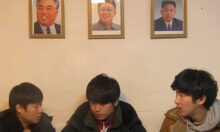
| Dear Dictator (친애하는 지도자동지께 dir Lee Sang-woo 2014) | A North Korean spy’s camera documents the lives of marginalised South Korean youths trapped in extreme poverty, blending espionage with documentary realism |
 |
| Death Bell (고死: 피의 중간고사 dir Chang 2008) | A school horror where exam pressure turns deadly. Death Bell mixes old-school ghost imagery with grisly modern kills and social commentary on education. |
 |
| Default (국가부도의날 dir Choi Kook-hee 2018) | Set during the IMF financial crisis, Default turns economic collapse into a human drama, exploring power, gender bias and the real cost of political decisions. |
 |
| Desire to Kill aka Enemy at the Dead End (죽이고 싶은 dir Jo Won-hee, Kim Sang-hwa 2010) | Desire to Kill references some fairly serious social themes within a quirky and genuinely funny black comedy cum psychological revenge thriller. |
 |
| Diary of June (6월의 일기 dir Im Kyung-soo 2005) | A serial murder thriller explores bullying, parental pressure, institutional failure within the school system, and the consequences of being unheard |
 |
| Dirty Romance (더티 로맨스 dir Lee Sang-woo 2015) | An indie drama about poverty, disability & desire, Dirty Romance explores life on society’s margins through moral compromise, dark humour & fleeting tenderness. |
 |
| The DMZ (데스트랩 dir Oh In-chun 2018) | Oh In-chun’s The DMZ is a gripping thriller where a detective trapped on a landmine engages in a high-stakes cat&mouse game. Features a stellar lead performance |
 |
| Doctor (닥터 dir Kim Sung-hong 2013) | A horror film about a deranged plastic surgeon, Doctor explores obsession, control and cosmetic desire, favouring graphic violence over psychological depth. |
 |
| Does the Cuckoo Cry at Night (뻐꾸기도 밤에 우는가 dir Jung Jin-woo 1980) | Set in rural Korea, Does the Cuckoo Cry at Night follows a young woman whose idyllic married life is threatened by lust, greed and encroaching modernity |
 |
| Door Lock (도어락 dir Lee Kwon 2018) | With Door Lock, director Lee Kwon presents a tense and creepy fictional horror focusing on the vulnerability of women in Korea at the hands of the opposite sex |
 |
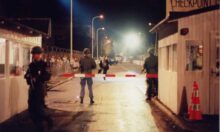
| Double Agent (이중간첩 dir Kim Hyun-jung 2003) | Though flawed, Double Agent resolutely shows that it doesn’t need CGI pyrotechnics or secret agent gadgets to be an engaging spy thriller throughout |
 |
| Eungyo aka A Muse (은교 dir Kim Go-eun 2012) | A lyrical drama exploring age, desire and loneliness as an elderly poet’s infatuation with a young girl disrupts lives, morals and creative boundaries. |
 |
| The Face Reader (관상 dir Han Jae-rim 2013) | Set in Joseon Korea, The Face Reader blends humour, intrigue and melodrama as a master face reader is pulled into royal power struggles and questions of fate. |
 |
| Failan (파이란 dir Song Hae-sung 2001) | Director Song Hae-sung’s Chinese collaboration redefines romance through absence, letters, and quiet empathy, delivering a devastatingly intimate love story. |
 |
| Forgotten (기억의밤 dir Jang Hang-jun 2017) | A film of two halves: respectable psychological thriller-cum-horror followed by clunky exposition, story contrivances and character arc predictability |
 |
| The Fox Family (구미호 가족 dir Lee Hyung-gon 2006) | The Fox Family is a genre-blending film mixing horror, comedy and musical romance, using fox spirits and dark humour to question what humanity really means. |
 |
| The Fox with Nine Tails (구미호 dir Park Heon-soo 1994) | A fantasy horror (Korea’s first feature to use CGI) blending folklore, romance and tragedy as a gumiho’s quest for humanity clashes with love and morality. |
 |
| The Front Line (고지전 dir Jang Hoon 2011) | A Korean War drama examining ideology, survival and shared humanity, The Front Line pairs brutal frontline combat with reflections on a divided nation. |
 |
| Gonjiam: Haunted Asylum (곤지암 dir Jung Bum-shik 2018) | A Korean found-footage horror using live-streamed investigation, mounting hysteria and a real abandoned asylum to generate sustained, chilling fear. |
 |
| A Good Lawyer’s Wife (바람난 가족 dir Im Sang-soo 2003) | A sexually explicit family drama with a deeply intelligent critique of family and the scars that familial bonds can create. An utterly astonishing film. |
 |
| The Good, The Bad, The Weird (좋은 놈, 나쁜 놈, 이상한 놈 dir Kim Jee-woon 2008) | OK, the plot isn’t multi-layered, there’s no real “good will triumph over evil” but if that’s what you’re looking for you’re missing the point… |
 |
| Go, Stop, Murder (고스톱 살인 dir Kim Joon-kwon 2013) | A thriller in which a mystical card game decides death, Go, Stop, Murder explores guilt, fate and redemption through inventive twists on classic crime cinema. |
 |
| Green Chair (녹색의자 dir Park Chul-soo 2005) | Park Chul-soo’s exquisite (and explicit) Green Chair explores the taboo affair between an older woman and a minor while exposing the hypocrisy of social morals |
 |
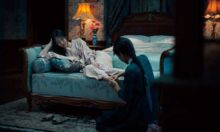
| The Handmaiden (아가씨 dir Park Chan-wook 2016) | Park Chan-wook’s thriller blends erotic romance & psychological intrigue following two women ensnared in an elaborate con who discover love and agency together |
 |
| Han Gong-ju (한공주 dir Lee Su-jin 2013) | Lee Su-jin’s powerful drama of a sexual abuse survivor moves beyond school-life tropes to critique societal victim-blaming and the isolation of the blameless. |
 |
| Hansel and Gretel (헨젤과 그레텔 dir Im Pil-seong 2007) | Korean dark fantasy inspired by the Grimm original, blending fairy-tale visuals with unsettling mystery, childhood trauma and restrained horror. |
 |
| Happy End (해피엔드 dir Jung Ji-woo 1999) | A classic erotic drama exploring infidelity, obsession and marital collapse, where desire and desperation drive ordinary people toward irreversible tragedy. |
 |
| The Harmonium In My Memory (내 마음의 풍금 dir Lee Young-jae 1999) | Classic romance set in 1960s rural Korea featuring first love, longing and youth. A gentle love triangle enriched by music, rural life and coming-of-age emotion |
 |
| Harmony (하모니 dir Kang Dae-gyu 2010) | Korean prison drama about motherhood, abuse and a jailhouse choir. Emotional intent clashes with clichéd humour, though music and performances remain notable. |
 |
| Heart Blackened (침묵 dir Jung Ji-woo 2017) | Classy courtroom thriller in which a powerful father defends his daughter accused of murder. A layered story of love, sacrifice, class privilege and deception. |
 |
| Helpless (화차 dir Byun Young-joo 2012) | An accomplished mystery thriller where a man searches for his missing fiancée and uncovers a web of lies. A tense study of trust, identity and moral ambiguity. |
 |
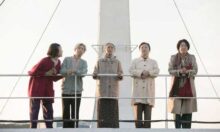
| Herstory (허스토리 dir Min Gyoo-dong 2018) | True-life drama about comfort women seeking justice in Japanese courts. A powerful focus on testimony, resilience, female solidarity & historical accountability |
 |
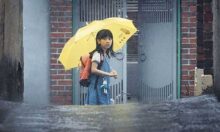
| Hope (aka Wish) (소원 dir Lee Joon-ik 2013) | Lee Joon-ik’s heartbreaking yet uplifting Korean drama, featuring an extraordinary performance from child actress Lee Re. |
 |
| The Housemaid (하녀 dir Im Sang-soo 2010) | Im Sang-soo’s lavish, provocative reworking of Kim Ki-young’s 1960 classic explores class inequality, sexual power, revenge & privilege within a wealthy family |
 |
| The Housemaid (하녀 dir Kim Ki-young 1960) | Claustrophobic Hitchcockian Korean classic where a predatory maid destroys a family. Sexual menace, sharp symbolism and a biting critique of post-war modernity |
 |
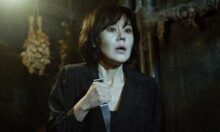
| House of the Disappeared (시간위의 집 dir Lim Dae-woong 2017) | A horror mystery of a convicted mother, a cursed house and repeating disappearances. Familiar scares, but inventive structure and a haunting maternal theme. |
 |
| The Humanist (휴머니스트 dir Lee Mu-yeong 2001) | A dark comedy-thriller with grotesque (sometimes gross) humour, amoral characters and a botched ransom plot; a mixed bag, with strong music but uneven pacing |
 |
| I am Trash (나는 쓰레기다 dir Lee Sang-woo 2014) | This provocative drama explores familial depravity, sexual violence and moral responsibility, questioning whether conventional justice is always sufficient |
 |
| Illang: The Wolf Brigade (인랑 dir Kim Jee-woon 2018) | A spectacular sci-fi actioner that balances political betrayal with stunningly realized combat, hampered by lacklustre emotional empathy from the lead actor |
 |
| Il Mare (시월애 dir Lee Hyun-seung 2000) | Jeon Ji-hyun shines in this classic time-spanning romance between two lonely individuals who connect through a mysterious mailbox. A beautiful, heartfelt tale. |
 |
| I’m A Cyborg, but that’s OK (싸이보그지만 괜찮아 dir Park Chan-wook 2006) | Set in a psychiatric hospital, I’m a Cyborg is a warm-hearted film that blends surreal fantasy, romance and dark humour to explore belief, love and acceptance |
 |
| In Between Days (방황의 날들 dir Kim So-yong 2006) | Set in Northern Canada, the film explores immigration, adolescence and emotional isolation through a quiet, mood-driven portrait of unspoken love and belonging |
 |
| Innocent Thing (가시 dir Kim Tae-gyun 2014) | An engaging drama exploring obsession, forbidden desire and revenge, and how Korean cinema frames innocence, female agency and the fragility of the family unit |
 |
| Innocent Witness (증인 dir Lee Han 2019) | This blend of courtroom thriller and relationship drama presents a compassionate portrayal of autism and a transformative bond between lawyer and young witness |
 |
| Invasion of Alien Bikini (에일리언 비키니 dir Oh Young-doo 2010) | A sci-fi comedy that contrasts chastity and sexuality in a man-vs-alien battle. Funny and brutal at first, but a disturbing assault sours the end. |
 |
| I Saw The Devil (악마를 보았다 dir Kim Jee-woon 2010) | Pitting a sadistic serial killer against a vengeful secret agent, I Saw the Devil explores moral collapse, extreme violence and the emptiness of revenge |
 |
| Jiseul (지슬 – 끝나지 않은 세월 2 dir O Muel 2013) | Jiseul is as bleak as it is striking, as intricate as it is poignant; a deft cinematic piece truly worthy of the accolades it has received throughout the world |
 |
| The Journals of Musan (무산일기 dir Park Jung-bum 2011) | Following a North Korean defector scraping by in South Korea, The Journals of Musan is a dark but fitting tribute to a gentle man who was never given a chance |
 |
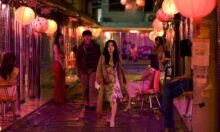
| July 32nd (7월 32일 dir Jin Seung-hyeon 2010) | A bleak but poignantly satisfying drama focusing on a daughter’s quest for revenge against the father she believes abandoned her to a life of pain |
 |
| Juvenile Offender (범죄소년 dir Kang Yi-kwan 2012) | Juvenile Offender, examining youth crime, social neglect & generational trauma, is ultimately as warm, caring & affecting as it is gritty & socially aware. |
 |
| Killer Toon (더 웹툰: 예고살인 dir Kim Yong-gyun 2013) | A good-looking horror blending webtoon art with classic genre scares, Killer Toon has a strong opening let down by uneven pacing and familiar horror tropes. |
 |
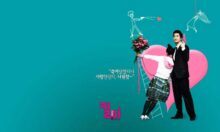
| Kill Me (킬 미 dir Yang Jong-hyeon 2009) | A romantic comedy that flips the hitman genre, mixing dark humour, romance and drama through eccentric characters and strong performances |
 |
| Kim Ji-young: Born 1982 (82년생 김지영 dir Cho Nam-joo 2019) | A socially grounded drama exploring sexism, motherhood and mental health, Kim Ji-young: Born 1982 confronts patriarchy and the limits of modern progress |
 |
| King of Pigs (돼지의 왕 dir Yang Ik-june 2011) | A dark animated allegory on school bullying, social hierarchy & trauma, King of Pigs examines violence, memory & the cost of fighting monsters by becoming one |
 |
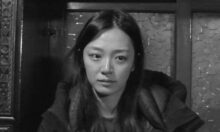
| The Land of Seong-hye (성혜의 나라 dir Jung Hyung-suk 2018) | A surprisingly uplifting drama of precarious labour and isolation, following one woman’s quiet struggle in a money-driven society, filmed in stark black & white |
 |
| The Last Princess (덕혜옹주 dir Hur Jin-ho 2016) | A historical drama about Korea’s last princess, blending fact & fiction to explore exile, occupation & national identity, anchored by Son Ye-jin’s performance |
 |
| Leafie – A Hen into the Wild (마당을 나온 암탉 dir Oh Seong-yun 2011) | Disney once asked viewers to believe that an elephant can fly. With Leafie, you’ll believe that a hen has a heart, and a beautiful one at that. |
 |
| Let’s Dance (자, 이제 댄스타임 dir Jo Se-young 2013) | A documentary exploring abortion through women’s testimonies, Let’s Dance confronts stigma, patriarchy and trauma amid South Korea’s legal and social debate. |
 |
| Lies (거짓말 dir Jang Jung-il 1999) | A controversial film exploring sex, power, and consent, Lies uses graphic S&M, dark humour, and voyeurism to confront social taboos and censorship |
 |
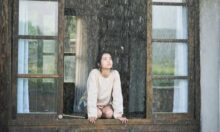
| Little Forest (리틀 포레스트 dir Im Soon-rye 2018) | A beautiful film that encapsulates a rural downshifting trend, Little Forest is a visual gourmet feast for the eyes and sumptuous cinematic food for the soul. |
 |
| Lovable (다슬이 dir Park Chul-soon 2011) | A drama about a young girl with savant syndrome, Lovable explores art, perception, and empathy through a child’s-eye view and a quietly uplifting final reveal |
 |
| Lovers’ Concerto (연애소설 dir Lee Han 2002) | A classic melodrama about memory, love triangles, and inevitable heartbreak, elevated by patient direction, striking visuals, and deeply affecting performances |
 |
| Man of Vendetta (파괴된 사나이 dir Woo Min-ho 2010) | A faithless ex-pastor races to save his kidnapped daughter. The thriller balances grim suspense, moral dilemmas, and melodrama despite familiar genre trappings |
 |
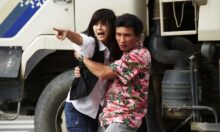
| A Man Who Was Superman (슈퍼맨이었던 사나이 dir Jeong Yoon-cheol 2008) | A heartfelt Korean character study blending comedy and drama to examine trauma, memory and the redemptive power of human connection |
 |
| Melo (멜로 dir Roy Lee 2012) | A dark tale of love, sex and trust (or the lack thereof), detailing the twisted path down which personal need placed above all else can lead |
 |
| Memoir of a Murderer (살인자의 기억법 dir Won Shin-yeon 2017) | Can a serial killer be a hero? Memoir of a Murderer deals with dementia, unreliable memory, moral ambiguity, and the tense battle between two monsters. |
 |
| Memories of Murder (살인의 추억 dir Bong Joon-ho 2003) | Bong Joon-ho’s masterpiece displays expert screenplay, atmospheric cinematography and intense acting, telling its true-crime story with dark humour |
 |
| Metamorphoses (변신 이야기 dir Oh In-chun 2011) | An unassuming meet-cute mutates into a violent, darkly funny cautionary tale as desire and deception spiral, proving nothing—and no one—is what it first seems. |
 |
| Midnight Ballad for Ghost Theater (삼거리 극장 dir Jeon Kye-soo 2006) | Jeon Kye-soo’s song and dance experiment deserves to be a cult classic, blending gothic horror, catchy music, theatrical charm, and Kim Kkobbi’s star power |
 |
| The Mimic (장산범 dir Huh Jung 2017) | The Mimic brings together Korean folklore, shamanism and psychological horror with standout performances from Yum Jung-ah and newcomer Shin Rin-ah |
 |
| Minari (미나리 dir Lee Isaac Chung 2020) | A Korean American family drama set in 1980s Arkansas, Minari explores ambition, sacrifice and resilience through intimate domestic conflict and hope. |
 |
| Misbehaviour (여교사 dir Kim Tae-yong (b 1987) 2017) | A dark drama where jealousy & desire fuel a twisted power struggle, Misbehaviour explores sexual obsession, revenge & punishment within a fraught love triangle |
 |
| Miss Baek (미쓰백 dir Lee Ji-won 2018) | Based on a true story, Miss Baek is a harrowing drama about child abuse, hidden cruelty and redemption, where saving an innocent life becomes an act of survival |
 |
| Miss Granny (수상한 그녀 dir Hwang Dong-hyuk 2014) | A comedy where a sharp-tongued grandmother becomes young again, Miss Granny mixes fish-out-of-water humour with romance, regret, sacrifice and second chances. |
 |
| Missing (실종 dir Kim Sung-hong 2009) | Though largely predictable and unevenly paced, Missing still manages to be unsettling and even moving at times, with a strong performance from MOON Sung-keun |
 |
| Missing, aka Missing Woman (미씽: 사라진여자 dir Lee Eon-hee (E.oni) 2016) | E.oni’s child abduction thriller unfolds into a poignant study of motherhood, social inequality and moral ambiguity, where empathy emerges from loss and pain |
 |
| Missing You (널 기다리며 dir Mo Hong-jin 2016) | A revenge thriller following a woman scarred by a serial killer’s crimes, Missing You blends horror and obsession as morality and vengeance collide years later |
 |
| Miss Longlegs (키다리 아가씨 dir Yun Mo 2012) | A short film exploring sex work, stigma and shared humanity, Miss Longlegs uses subtle storytelling to challenge perceptions and reveal lives behind the glass. |
 |
| Miss the Train (미성년 dir Lee Kyung-sub 2014) | Blending spirituality, faith and romance, Miss the Train explores destiny, tradition and love through a quiet, dream-like journey shaped by loss and belief. |
 |
| MJ (MJ dir Kim Hee-jin 2013) | In a poignant alternative to typical hard-hitting Korean adolescent dramas, a confident student helps a shy peer find her voice in this uplifting short |
 |
| Moebius (뫼비우스 dir Kim Ki-duk (Samaria) 2013) | A dialogue-free shock film exploring incest, castration and fate, Moebius traps a fractured family in an endless cycle of desire, guilt & inevitable repetition |
 |
| A Moment (모멘트 dir Oh In-chun 2010) | Oh In-chun’s short Korean–Chinese thriller that explores perception, karma, revenge, and how a single moment of action or inaction can change lives. |
 |
| A Moment to Remember (내 머리 속의 지우개 dir Lee Jae-han (John H Lee) 2004) | A romance about love tested by early-onset Alzheimer’s, blending contrived melodrama with genuine emotion, chemistry, and a standout performance by Son Ye-jin |
 |
| Moonlit Winter (윤희에게 dir Lim Dae-hyung 2019) | A poignant drama with palpable emotional depth follows a mother and daughter confronting a buried past same-sex love, through winter journeys and symbolism |
 |
| Moon Young (문영 dir Kim So-yeon 2017) | Moon Young explores urban isolation via a mute subway filmer and a volatile outsider, using concise storytelling to examine abuse, identity, and connection. |
 |
| Moss (이끼 dir Kang Woo-suk 2010) | Kang Woo-suk’s dark thriller exploring corruption, power and revenge within a secretive rural village featuring a standout performance by Jeong Jae-yeong |
 |
| Mother (마더 dir Bong Joon-ho 2009) | Bong Joon-ho’s Mother is a masterful exploration of obsession and a mother’s desperate, often monstrous journey to prove her son’s innocence at any moral cost |
 |
| Mother is a Whore (엄마는 창녀다 dir Lee Sang-woo 2009) | Lee Sang-woo’s debut is a stark portrayal of family, exploitation, and hypocrisy beneath socially acceptable appearances in Korean society. |
 |
| Mourning Grave (소녀괴담 dir Oh In-chun 2014) | Director Oh In-chun crafts a creepy yet unexpectedly tender tale of ghosts, bullying and lost youth, with strong performances and genuinely effective scares. |
 |
| Moving On (남매의 여름밤 dir Yoon Dan-bi 2019) | Yoon Dan-bi’s debut is intimate portrayal of family life, abandonment, and emotional barriers, seen through the eyes of a teenager confronting loss and change. |
 |
| Mulberry (뽕 dir Lee Doo-yong 1986) | Paul Quinn explores Mulberry’s mix of eroticism, humour and social critique, its challenge to traditional morality, and its lasting influence on Korean cinema. |
 |
| My Dear Enemy (멋진 하루 dir Lee Yoon-ki 2008) | Lee Yoon-ki’s drama combines character-driven storytelling, subtle humour and reflections on money, happiness and emotional perspective in modern Korean society |
 |
| My Dear Girl, Jin-young (사랑해! 진영아 dir Lee Sungeun 2013) | Lee Sungeun’s debut feature pushes the boundaries of the rom-com, blending whimsy with themes of self-perception, career-focused women and same-sex attraction |
 |
| My Heart (정 / 情 dir Bae Chang-ho 2000) | A drama spanning the whole of the 20th century tracing one woman’s life of love, loss and resilience, her course though life guided always by empathy |
 |
| My Mother The Mermaid (인어공주 dir Park Heung-sik 2004) | In a dreamlike time-travel narrative a daughter meets her mother’s younger self. Jeon Do-yeon’s stellar acting explores the sacrifices and heart of motherhood |
 |
| My P.S. Partner (aka Whatcha Wearin’) ( 나의 P.S. 파트너 dir Byun Sung-hyun 2012) | A Korean rom-com where an accidental phone-sex call sparks love, humour and heartbreak, redefining sexual frankness and emotional intimacy in the genre. |
 |
| My Sassy Girl (엽기적인 그녀 dir Kwak Jae-young 2001) | With engaging characters, witty dialogue and some laugh out loud moments, My Sassy Girl is the definitive South Korean rom-com that made a star of Jeon Ji-hyun |
 |
| My Wife Got Married (아내가 결혼했다 dir Jeong Yoon-soo 2008) | Jeong Yoon-soo’s rom-com explores monogamy vs polygamy, reversed gender roles and Korean social norms, with strong performances but uneven pacing |
 |
| Natali (나탈리 dir Ju Kyung-joong 2010) | Ju Kyung-joong’s 3D erotic experiment has hollow social commentary, static storytelling, and relies on sex scenes rather than character or narrative depth. |
 |
| The Negotiation (협상 dir Lee Jong-seok 2018) | Son Ye-jin and Hyun Bin hostage standoff thriller struggles with narrative clutter and demonstrates that video conferences do not make for good cinema |
 |
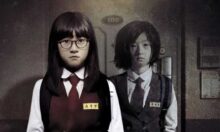
| Neighbors (이웃사람 dir Kim Hwi 2012) | A serial killer story blends themes of guilt and communal apathy with strong ensemble performances let down by a cluttered and genre-confused narrative. |
 |
| Night Fishing (파란만장 dir PARKing CHANce, (Park Chan-wook, Park Chan-kyong) 2011) | Blending dark humour, shamanic mythology, striking visual contrasts, and music-driven symbolism, PARKing CHANce’s Night Fishing transcends its iPhone origins |
 |
| Nora Noh (노라노 dir Kim Sung-hee 2013) | A review of the documentary Nora Noh, examining her influence on Korean fashion, cinema and society, and the compelling story behind her retrospective. |
 |
| Norigae (노리개 dir Choi Seung-ho 2013) | A disturbing but necessary Korean courtroom drama exposing sexual abuse, power and legal injustice in the entertainment industry. |
 |
| Oasis (오아시스 dir Lee Chang-dong 2002) | A confrontational, moving masterpiece that explores the illicit bond between two social outcasts that challenges societal prejudice and the human condition. |
 |
| Obsessed (인간중독 dir Kim Dae-woo 2014) | A sensual, brooding and beautifully shot Korean drama about illicit passion and PTSD, featuring strong performances despite a heavy-handed melodramatic ending |
 |
| The Odd Family: Zombie on Sale (기묘한가족 dir Lee Min-jae 2019) | An intentionally silly but genuinely funny Korean zombie comedy featuring a dysfunctional family, clever parodies, and cabbage-eating ghouls. |
 |
| Okja (옥자 dir Bong Joon-ho 2017) | A dark, quirky, and topical tale of corporate greed. With great story-telling and pacing, this otherwise entertaing movie is let down by cartoon-like characters |
 |
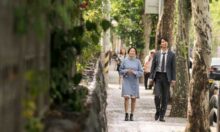
| One Day (어느날 dir Lee Yoon-ki 2017) | Director Lee Yoon-ki delivers an intelligent, contemporary tearjerker that examines themes of abandonment, catharsis and coming to terms with loss |
 |
| Open City (무방비 도시 dir Lee Sang-gi 2008) | Though visually accomplished, Open City is sadly hampered by a predictable, unimaginative plot and a set of characters that are little more than caricatures |
 |
| Operation Chromite (인천상륙작전 dir Lee Jae-han (John H Lee) 2016) | While featuring a tense spy narrative and expertly directed action sequences, the film is weighed down by weak CGI, melodrama, and Liam Neeson’s performance. |
 |
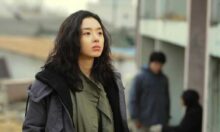
| Paju (파주 dir Park Chan-ok 2009) | A melancholy and darkly beautiful, film, Park Chan-ok’s Paju explores themes of grief, political activism, and the blurred lines of altruism. |
 |
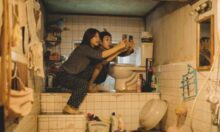
| Parasite (기생충 dir Bong Joon-ho 2019) | Bong Joon-ho’s wry and insightful tragicomedy uses dark humor and brilliant visual metaphors to deliver a searing and bravura critique of class inequality. |
 |
| The Peach Tree (복숭아나무 dir Koo Hye-sun 2012) | A melodrama centred on disability largely manages to hold its own fairly well in the in the company of Lee Chang-dong’s Oasis, with one or two minor caveats. |
 |
| Peninsula (반도 dir Yeon Sang-ho 2020) | Train to Busan sequel trades claustrophobic horror for high-speed action, Mad Max-style gangs, and CGI spectacle, without quite living up to expectations |
 |
| Peppermint Candy (박하사탕 dir Lee Chang-dong 2000) | Lee Chang-dong’s compelling reverse-chronology masterpiece links one man’s tragic downfall to twenty years of traumatic Korean history. |
 |
| Perfect Number (용의자X dir Bang Eun-jin 2012) | Director Bang Eun-jin blends a high-stakes police investigation with a nuanced, tragic romance, in a highly successful screen adaptation of a Japanese thiller |
 |
| Persona (페르소나 dir Im Pil-seong, Jeon Go-woon, Kim Jong-kwan, Lee Kyoung-mi 2019) | Four engaging short films made for Netflix by top Korean directors ranging from horror to melodrama, showcasing the acting talents of the versatile singer IU |
 |
| Petty Romance (쩨쩨한 로맨스 dir Kim Jeong-hoon 2010) | Petty Romance blends live action with graphic novel imagery to create a heartfelt, eccentric, and genuinely funny Korean romantic comedy. |
 |
| The Phone (더폰 dir Kim Bong-joo 2015) | A time-slip thriller about a man trying to save his wife via phone calls from the past, undermined by familiar tropes and shaky time logic. |
 |
| Pieta (피에타 dir Kim Ki-duk (Samaria) 2012) | Kim Ki-duk returns to form with a violent debt collector confronted by a woman claiming to be his mother, exploring guilt, karma and life on society’s edge. |
 |
| The Pirates (해적: 바다로 간 산적 dir Lee Seok-hoon 2014) | A Korean historical adventure about pirates and bandits chasing a royal seal inside a whale, blending action, humour and spectacle, but with mixed results. |
 |
| Planet of Snail (달팽이의 별 dir Yi Seung-jun 2011) | A deeply moving documentary about a deaf-blind man and his wife, exploring love, resilience and everyday life shaped by disability and deep companionship. |
 |
| Pluto (명왕성 dir Shin Su-won 2012) | A high school thriller reminiscent of “Bleak Night”, examining fear, elitism and violence, as academic pressure and rivalry spiral into murder and revenge. |
 |
| Poetry (시 dir Lee Chang-dong 2010) | In an unforgettable, gentle yet gripping story as uplifting as it is poignant, an elderly woman finds beauty and meaning through poetry amid quiet tragedy. |
 |
| Portrait of a Beauty (미인도 dir Jeon Yoon-soo 2008) | A period drama based on JM Lee’s novel exploring art, eroticism and gender through a woman posing as a male painter, critiquing Joseon-era morality & hypocrisy. |
 |
| The Priests (검은사제들 dir Jang Jae-hyun 2015) | Original Korean horror blends Catholic exorcism with Buddhist and shamanistic rites, tight pacing, and Park So-dam’s unforgettable performance. |
 |
| Psychokinesis (염력 dir Yeon Sang-ho 2018) | Psychokinesis mixes superhero comedy, family drama and anti-corporate themes, but its light tone clashes with material inspired by the Yongsan tragedy. |
 |
| The Railroad (경의선 dir Park Heung-shik 2006) | A drama about two broken strangers on a train, The Railroad explores grief, guilt, social pressure, and emotional healing through quiet, nuanced storytelling. |
 |
| A Reason to Live (오늘 dir Lee Jeong-hyang 2011) | A Reason to Live questions faith and forgiveness after violent loss, exploring grief, justice and moral pressure, but struggles with clichés and predictability |
 |
| Re-encounter (혜화, 동 dir Min Yong-keun 2011) | A bleak drama about grief and guilt, Re-encounter follows former lovers confronting loss, regret, and the possibility that their adopted child is still alive. |
 |
| Remember O Goddess (나를 잊지 말아요 dir Yoon Jung Lee 2011) | Yoon-jung Lee’s perfect short tells of amnesia, urban anonymity and human connection, blending humour and social commentary within a modern city setting. |
 |
| Remember You (나를 잊지 말아요 dir Yoon Jung Lee 2016) | A genuinely poignant melodrama about amnesia, romance and hidden pasts, where love, memory and heartbreak unfold through subtle clues and emotional reveals. |
 |
| Revivre (화장 dir Im Kwon-taek 2014) | Im Kwon-taek’s heartbreakingly poignant Revivre, explores duty, desire and guilt as a man caring for his dying wife confronts fantasy, ageing and modern longing |
 |
| The Road (길 dir Bae Chang-ho 2006) | Bae Chang-ho’s beautiful road movie follows a blacksmith and a girl confronting past pain, resistance to change, as they seek healing through a shared journey. |
 |
| Sad Movie (새드무비 dir Kwon Jong-gwan 2005) | Four intertwined romances, strong performances and empathy-rich writing, undone by excessive, contrived tragedy. |
 |
| Sakwa (사과 dir Kang Yi-kwan 2008) | Paul Quinn reviews Sakwa, exploring love, self-deception and regret, as personal lies and social pressures unravel relationships in contemporary Korea. |
 |
| Save The Green Planet (지구를 지켜라 dir Jang Jun-hwan 2003) | Paul Quinn examines Save the Green Planet and its blend of sci-fi comedy, violence and tragedy, and its themes of paranoia, trauma and corporate corruption. |
 |
| Scarlet Innocence (마담 뺑덕 dir Im Pil-seong 2014) | A sexually charged thriller and cautionary tale wrapped within a story of revenge and retribution, Scarlet Innocence is as unpredictable as it is gripping |
 |
| The Scarlet Letter (주홍글씨 dir Byun Hyuk 2004) | Noir melodrama in which a married detective’s affair collides with a murder inquiry, exposing secrecy, lust, self-deception, and the cost of desire. |
 |
| Scars (흉터 dir Lim Woo-seong 2011) | Paul Quinn reviews Scars, exploring trauma, identity, symbolism, and visual storytelling as one woman confronts past wounds and searches for self-understanding. |
 |
| Sea Fog (해무 dir Shim Sung-bo 2014) | A dark thriller of IMF-era desperation, human smuggling and moral collapse, using claustrophobic visuals to explore self-interest, tragedy and prejudice. |
 |
| Searching for the Elephant (펜트하우스 코끼리 dir Jeong Seung-goo 2009) | Jeong Seung-goo’s adult thriller about addiction and excess is undermined by overcrowded themes and heavy stylisation despite a strong core story. |
 |
| Secret Love (비밀애 dir Kwon Ji-yeon, Ryu Hoon 2010) | A melodrama about fate, identical twins and obsession, undermined by contrived plotting, thin characters and uncomfortable treatment of adult content. |
 |
| Secret Sunshine (밀양 dir Lee Chang-dong 2007) | Lee Chang-dong’s masterful Secret Sunshine explores grief and faith as a widow’s search for solace in religion collapses, leaving isolation and self-reliance. |
 |
| Seopyeonje (서편제 dir Im Kwon-taek 1993) | A father’s ruthless devotion to pansori and the sacrifices he demands; a family’s suffering while Korea struggles to preserve tradition amid modernisation. |
 |
| The Servant (방자전 dir Kim Dae-woo 2010) | Erotic rom-com The Servant blends humor, romance, and Joseon-era intrigue, but layered storytelling struggles to fully develop its characters. |
 |
| Sesang (세상 dir Jules Suo 2019) | Sesang follows a long-distance couple navigating change, ambition, and emotional drift, using intimate long takes and subtle political undertones. |
 |
| Seven Years of Night (7년의밤 dir Choo Chang-min 2018) | Seven Years of Night explores guilt, generational abuse, and revenge through a brutal tragedy, balancing emotional weight with uneven supernatural elements. |
 |
| Shadows in the Palace (궁녀 dir Kim Mi-jeong 2007) | A mystery thriller where a death exposes hidden power, violence and sexual secrecy, blending historical drama, investigation and unsettling horror elements. |
 |
| The Silenced (경성학교: 사라진 소녀들 dir Lee Hae-young 2015) | A period mystery with strong atmosphere and performances, let down by a predictable final reveal |
 |
| Snowpiercer (설국열차 dir Bong Joon-ho 2013) | Bong Joon-ho’s dystopian film explores class oppression, revolt, environmental disaster, and power through brutal action, dark humour, and vivid imagery. |
 |
| Snowy Road (눈길 dir Lee Na-jeong 2017) | Paul Quinn looks at Snowy Road, examining its portrayal of comfort women, class divides, enduring trauma, and survival through a dual past-present narrative. |
 |
| Sorum (소름 dir Yoon Jong-chan 2001) | Paul Quinn reviews Sorum’s bleak psychological horror, haunted setting and doomed relationship, where paranoia and trauma prove more terrifying than ghosts. |
 |
| Speed (스피드 dir Lee Sang-woo 2015) | Lee Sang-woo’s Speed explores rebellious youth, societal corruption and lost innocence, anchored by a moving love story amid illness and exploitation. |
 |
| Spider Forest (거미숲 dir Song Il-gon 2004) | An impressive psychological thriller blending horror and mystery, exploring memory, guilt, betrayal, and blurred reality through a fractured narrative. |
 |
| Spirits’ Homecoming (귀향 dir Cho Jungrae 2016) | Through cultural memory, spiritual ritual, and survivor testimony, Spirits’ Homecoming confronts shame, survival, and the need for peace and recognition. |
 |
| Sprout (콩나물 dir Yoon Ga-eun 2013) | Yoon Ga-eun’s charming short tells the story of a young girl’s first solo journey, blending childhood curiosity, family tradition, and gentle spiritual themes. |
 |
| Steel Rain (강철비 dir Yang Woo-seok 2017) | Steel Rain delivers thrilling action and political intrigue as North and South Korean agents join forces, building trust amid assassination plots and nuclear threats. |
 |
| Summer Time (썸머타임 dir Park Jae-ho 2001) | Summer Time blends erotic tension and the Gwangju uprising, exploring desire, family, and societal oppression in 1980s South Korea. |
 |
| Sunny (써니 dir Kang Hyeong-cheol 2011) | Kang Hyeong-cheol’s film uses nostalgia, music and vividly drawn characters to celebrate friendship, memory and the optimism of youth that never truly fades. |
 |
| Svaha: The Sixth Finger (사바하 dir Jang Jae-hyun 2019) | A review of Svaha examining religion, cults, and moral ambiguity in a Korean horror-thriller blending Buddhist mythology with atmospheric supernatural imagery. |
 |
| Sweet Dream aka Death’s Lullaby (미몽 / 죽음의 자장가 dir Yang Ju-nam 1936) | Korea’s earliest surviving talkie examines gender, morality and modernity through a cautionary tale of adultery and social change. |
 |
| A Tale of Two Sisters (장화, 홍련 dir Kim Jee-woon 2003) | A review of Kim Jee-woon’s landmark Korean film exploring its psychological horror, family trauma, sumptuous visuals and twist-driven narrative. |
 |
| The Taste of Money (돈의 맛 dir Im Sang-soo 2012) | Im Sang-soo’s drama about wealth, power and sex expands on his previous movie – The Housemaid remake – but struggles to create emotional engagement. |
 |
| Teenage Hooker Became A Killing Machine (대학로에서 매춘하다가 토막살해당한 여고생 아직 대학로에 있다 dir Nam Ki-woong 2000) | With laboured pacing, unfocused themes and weak performances, Teenage Hooker promises exploitation but delivers a thin revenge story stretched to breaking point |
 |
| Thirst (박쥐 dir Park Chan-wook 2009) | Thirst is Park Chan-wook’s dark, sensual vampire film, exploring faith, desire and morality through a twisted love story between priest and predator. |
 |
| This Charming Girl (여자, 정혜 dir Lee Yoon-ki 2004) | This Charming Girl is a quiet Korean drama about isolation, memory and human connection, uncovering the hidden inner life of an ordinary woman. |
 |
| Thousand Years Old Fox (천년호 dir Shin Sang-ok 1969) | Thousand Years Old Fox explores gumiho legend through classic Korean horror, blending possession, revenge and melodrama in a formative myth-based film. |
 |
| Thread of Lies (aka Elegant Lies) (우아한 거짓말 dir Lee Han 2014) | Thread of Lies explores the hidden psychology of bullying, showing how secrecy, false kindness and silence lead to tragic consequences for victims and families. |
 |
| Time (시간 dir Kim Ki-duk (Samaria) 2006) | Kim Ki-duk’s Time explores insecurity and identity, showing how plastic surgery and reinvention fail to heal deeper emotional and psychological wounds. |
 |
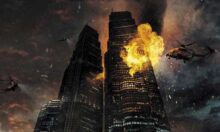
| The Tower (타워 dir Kim Ji-hoon 2012) | The Tower delivers classic disaster-movie thrills, pairing spectacular fire effects with ensemble drama, social contrasts and moments of genuine emotion. |
 |
| Train to Busan (부산행 dir Yeon Sang-ho 2016) | Train to Busan turns a zombie outbreak into a breathless survival ride, blending brutal action, dark humour and sharp criticism of corporate selfishness. |
 |
| Treeless Mountain (나무없는 산 dir Kim So-yong 2008) | Seen from a child’s eye level, Treeless Mountain follows two sisters facing abandonment, harsh adults and fading innocence, finding resilience and quiet hope. |
 |
| The Trip (여행 dir Bae Chang-ho 2009) | A heartwarming and beautiful-looking film set on Jeju Island, telling three interlinked stories of love, family, sacrifice and life-changing crossroads. |
 |
| The Truth Beneath (비밀은 없다 dir Lee Kyoung-mi 2016) | Blending political cynicism with personal tragedy, this gripping film is anchored by Son Ye-jin’s commanding, emotionally wide-ranging performance. |
 |
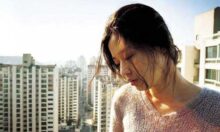
| The Uninvited / Table for 4 (4인용식탁 dir Lee Soo-yeon 2003) | The Uninvited (Table for 4) blends psychological tension and real-life horror, exploring family secrets and societal darkness in a chilling Korean thriller. |
 |
| Untold Scandal (스캔들 – 조선 남녀 상열지사 dir E J-yong 2003) | A lavish and deeply sensual reworking of Les Liaisons Dangereuses set in 18th century Korea, exploring desire, power, hypocrisy, and emotional fallout. |
 |
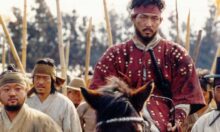
| The Uprising (이재수의 난 dir Park Kwang-su 1999) | Endless exposition, weak characterisation and wasted performances from Lee Jung-jae and Shim Eun-ha derail a potentially interesting historical story |
 |
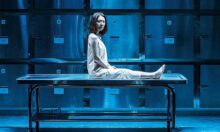
| The Vanished (사라진밤 dir Lee Chang-hee 2018) | With strong performances and carefully planted misdirection, this remake delivers a smart, satisfying thriller that keeps viewers guessing to the very end. |
 |
| Vanishing Time: A Boy Who Returned (가려진 시간 dir Um Tae-hwa 2016) | A visually beautiful film exploring childhood, belief, time, and love across impossible boundaries, blending fantasy, mystery and coming-of-age drama |
 |
| The Vegetarian (채식주의자 dir Lim Woo-seong 2010) | Chae Min-seo stars in a haunting drama exploring mental illness, desire, family pressure, and the ethics of art, in this adaptaion of Han Kang’s novel |
 |
| The Villainess (악녀 dir Jung Byung-gil 2017) | Jaw-dropping action set pieces let down by shallow characterisation and limited engagement with female revenge themes – nevertheless a rip-roaring ride. |
 |
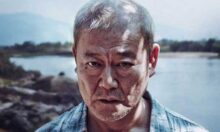
| The Wailing (곡성 dir Na Hong-jin 2016) | Na Hong-jin blends folklore, religion and procedural investigation into a relentlessly gripping descent that challenges the boundaries between good and evil. |
 |
| Welcome to Dongmakgol (웰컴 투 동막골 dir Park Kwang-hyun 2005) | A detailed review of Welcome to Dongmakgol, exploring its blend of war drama, humour and heart, and how it uses an idyllic village to champion shared humanity. |
 |
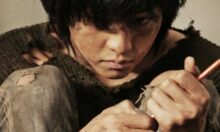
| A Werewolf Boy (늑대소년 dir Jo Sung-hee 2012) | A nice-looking melodrama blending romance with the supernatural that has strong performances but is let down by familiar story lines and themes |
 |
| Wet Dreams (몽정기 dir Jung Cho-sin 2002) | A warm, gently funny Korean coming-of-age comedy that treats adolescent desire with humour, innocence and nostalgic charm rather than cynicism. |
 |
| White night (백야행: 하얀 어둠 속을 걷다 dir Park Shin-woo 2009) | A visually stunning Korean thriller that blends crime, tragedy and moral ambiguity, driven by powerful performances and masterful direction. |
 |
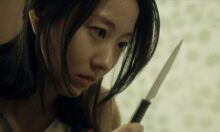
| The Wicked (마녀 dir Yoo Young-sun 2014) | A darkly comic Korean horror exploring power, perception and cruelty, driven by an unforgettable central performance and an atmosphere of creeping unease. |
 |
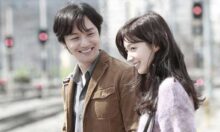
| Will you be there? (당신거기있어줄래요 dir Hong Ji-young 2016) | A moving Korean time-travel romance exploring love, regret and sacrifice, where changing the past means questioning what—and who—must be lost. |
 |
| Windstruck (내 여자친구를 소개합니다 dir Kwak Jae-young 2004) | A romantic drama chasing past success, Windstruck pairs Jeon Ji-hyun’s strong performance with predictable melodrama and familiar echoes of My Sassy Girl. |
 |
| The Witch: Part 1 – The Subversion (마녀 dir Park Hoon-jung 2018) | A character-led Korean sci-fi thriller that builds patiently before erupting into breathtaking action, powered by strong performances and bold trilogy ambitions |
 |
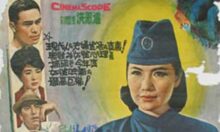
| A Woman Judge (여판사 dir Hong Eun-won 1962) | A thoughtful review of Hong Eun-won’s A Woman Judge, exploring gender roles, ambition, and social tension in one of Korea’s earliest female-directed films. |
 |
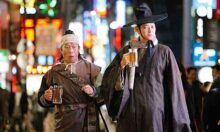
| Woochi: The Demon Slayer (전우치 dir Choi Dong-hoon 2009) | A witty, genre-blending Korean fantasy where a cocky wizard battles goblins across centuries, powered by sharp humour, likeable characters and standout CGI. |
 |
| The World of Silence (조용한 세상 dir Cho Eui-suk 2006) | A thoughtful review of The World of Silence, a Korean serial killer thriller exploring abuse, authority, and innocence through strong performances and social themes. |
 |
| The World of Us (우리들 dir Yoon Ga-eun 2016) | A sensitive, deeply empathetic review of Yoon Ga-eun’s The World of Us, exploring childhood friendship, bullying, and the emotional depth of a child’s world. |
 |
| Yellow Hair (노랑머리 dir Kim Yoo-min 1999) | A provocative look at Yellow Hair, Korea’s first banned film, exploring its eroticism, anti-establishment themes, and dark, dreamlike cinematography. |
 |
| The Yellow Sea (황해 dir Na Hong-jin 2010) | A review of Na Hong-jin’s visceral, breathless film “The Yellow Sea”, exploring its split structure, social context, and astonishing violence and visuals. |
 |
| Yeosu (려수 dir Jin Kwang-gyo 2011) | A thoughtful review of Yeosu, exploring generational pressure, gender roles, and quiet resilience, set against the film’s breathtaking coastal Korean landscape. |
 |
| Yongsoon (용순 dir Shin Joon 2017) | A penetrating review of Shin Joon’s Yongsoon, a raw coming-of-age drama about grief, abandonment and adolescent self-sabotage, led by Lee Soo-kyung. |
 |
| Young Gun in the Time (영건 탐정사무소 dir Oh Young-doo 2012) | Paul Quinn looks at Young Gun in the Time, exploring its mix of sci-fi, comedy, love, loss, and low-budget charm within the tradition of New Korean Cinema. |
 |
| Young-ju (영주 dir Cha Sung-duk 2018) | A review of Young-ju, Cha Sung-duk’s poignant indie drama about grief, forced adulthood and healing, anchored by a powerful lead performance from Kim Hyang-gi. |
 |
No Results Found