
Save The Green Planet follows Byeong-gu, a traumatised man on a mission to save the Earth from Andromedans. Beneath its sci-fi comedy surface, the film explores mental illness, moral responsibility and the human cost of corporate power, constantly shifting audience sympathy and genre expectations. It’s incredibly funny, viciously brutal, genuinely moving and completely nuts [Read More]
LKL articles by Hangul Celluloid (page 20)
Diary of June (6월의 일기, 2005) review: above average serial killer fare let down by poor pacing

Though certainly not a perfect film (if such a thing exists), Diary of June still has much more to offer than standard serial killer fare, detailing, within its story, a fairly taut critique of the school system, bullying and the pressures placed on children by parents, and vice versa. [Read More]
Lovers’ Concerto (연애소설, 2002) review: love remembered, hearts broken
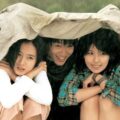
Framed through memory and regret, Lovers’ Concerto follows a young man reflecting on a formative relationship with two women. Openly melodramatic and often contrived, it nonetheless builds deep empathy through measured direction, strong performances, and emotional unpredictability, culminating in an unrelenting portrait of love, loss, and heartbreak. [Read More]
April Snow (외출, 2005) review: betrayal, grief and mirrored desire

After discovering their comatose spouses were lovers, two strangers are drawn together by grief, jealousy and damaged self-worth. A melancholy tale of love and betrayal, April Snow may not be as instantly accessible as some of Hur Jin-ho’s other films, but is a worthy addition to his CV, nonetheless. [Read More]
A Moment to Remember (내 머리 속의 지우개, 2004) review: a manipulative melodrama rescued by the lead actress

While the plot of A Moment To Remember is contrived and manipulative, it still, somehow, manages to be affecting – with Son Ye-jin’s astounding performance selling every line – and as the credits roll, you’ll find yourself thinking that you should have known better, but a part of you will secretly be glad you didn’t listen. [Read More]
The Railroad (경의선, 2006) review: quiet encounters, hidden lives

Park Heung-shik’s The Railroad follows two emotionally closed strangers stranded near the North Korean border. Through restrained storytelling and gradual flashbacks, the film explores grief, guilt, self-deception, and social pressure. What risks melodrama becomes a nuanced, character-driven journey that builds empathy and resolves in understated, hard-earned hope. [Read More]
Treeless Mountain (나무없는 산, 2008) review: childhood, loss and resilience at eye level
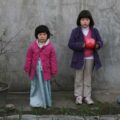
A quietly gripping, sometimes painfully heart-breaking, and ultimately life affirming drama, Treeless Mountain provides an unmissable view of the world of the main characters, from three feet off the ground. [Read More]
Untold Scandal (스캔들 – 조선 남녀 상열지사, 2003) review: pleasure, power, and desire in the Joseon dynasty

Untold Scandal is easily the most sensual and sumptuous of all of the adaptations of Les Liaisons Dangereuses. A tour-de-force from beginning to end, Untold Scandal is a film which everyone should be told about. [Read More]
The Uprising (이재수의 난, 1999) review: when history drowns in endless exposition

An endless pre-occupation with forced exposition combined with a lack of character depth and, resultantly, next to no character empathy whatsoever, all adds up to The Uprising being dull from start to finish. Not only a waste of the talents of Shim Eun-ha and Lee Jung-jae but, ultimately, also rather a waste of viewers’ time… [Read More]
The Good, The Bad, The Weird (좋은 놈, 나쁜 놈, 이상한 놈, 2008) review: exhilarating action and genre-blending fun

The Good, The Bad, The Weird revels in kinetic set-pieces, black humour and playful genre parody, delivering relentless momentum and crowd-pleasing thrills. OK, the plot isn’t multi-layered, there’s no real “good will triumph over evil” but if that’s what you’re looking for you’re missing the point. [Read More]
Hansel and Gretel (헨젤과 그레텔, 2007) review: broken fairy tales and lost innocence

Yim Pil-sung has produced a stunningly beautiful dark fantasy which rewrites, or more exactly, extends the Grimm fairy tale we all know. Lush production design and restrained horror reveal a tragic past of abuse and abandonment, blending creepiness with poignancy while exploring damaged innocence, memory and hope. [Read More]
Summer Time (썸머타임, 2001) review: desire and democracy in 1980s Korea

Summer Time dissects and discusses the events surrounding, and subsequent to, the Kwangju uprising of 1980 within a deeply erotic and highly sexually charged narrative, and its ultimate success is largely dependent on whether or not individual viewers get overly bogged down (or caught up) by the sheer volume of sex and eroticism on show. [Read More]
Addicted (중독, 2002) review: love, identity and the aftermath of loss
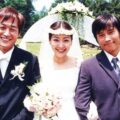
After a tragic accident leaves one brother brain-dead and the other profoundly changed, Addicted explores whether love can survive death, doubt and fractured identity. Each of the characters becomes an unwilling victim of the love that they choose and each has to question whether to pay the high price which that love requires. [Read More]
Crazy First Love (첫사랑 사수 궐기대회, 2003) review: loud and illogical, unfunny and unromantic
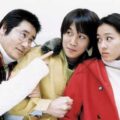
In other hands, Crazy First Love could, perhaps, have been an engaging romantic comedy with some poignant moments but, sadly, what we end up with here is simply a collection of borrowed ideas from other superior movies, nailed together by annoying characters and illogical character motivations. [Read More]
Failan (파이란, 2001) review: an unlikely but poignant love story built on absence
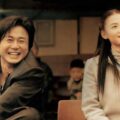
An unconventional romance that rejects clichés by telling a love story between two people who never meet. In every aspect Failan is a ground breaking film, imaginatively conceived and expertly executed. Hollywood could never succeed in making a film which breaks your heart the way Failan does and let’s hope it never tries. [Read More]
The Classic (클래식, 2003) review: parallel romances, social change and a star-making performance
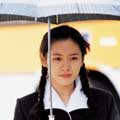
The Classic, thanks in part to Son Ye-jin’s masterful dual performance, manages to be better than the sum of its component parts should allow, but it really is a pity that a film as gorgeous as this is prevented by the contrivances and problems present from being as truly memorable as it could so easily have been. [Read More]