
Director Choo Chang-min and actor Ryoo Seung-ryong discuss their involvement in Masquerade, exploring the appeal of period drama, the story’s modern relevance, casting well-known and emerging actors, artistic freedom, and the different challenges posed by physically demanding versus more restrained roles. [Read More]
Category: Movie & TV features (page 5)
Lee Byung-hun interview: “if you were a king, what would you do?”

Lee Byung-hun reflects on the appeal of Masquerade’s politically open-ended story, balancing humour with seriousness, and the challenges of acting across cultures in Hollywood. He discusses star power versus emerging talent, the value of criticism, and why Korean language and culture remain his strongest creative foundation. [Read More]
Director Jung Ji-woo interview: aging, desire and society in Eungyo

Director Jung Ji-woo discusses EunGyo as a way to explore unspoken desires, aging, and social restraint in Korea. He reflects on empathy, casting authenticity, adaptation from literature and manhwa, creative freedom, working with actors, and how human difference and collision drive his filmmaking. [Read More]
Kim Yoon-suk interview: from The Chaser to The Thieves

Kim Yoon-suk discusses his decision to focus exclusively on film, his collaborations with Na Hong-jin, and the appeal of socially grounded, hardcore thrillers. He reflects on the demands of The Thieves, the limits of TV drama production, and why intense genre films travel more easily than Korean comedy on the international stage. [Read More]
Choi Dong-hoon interview: “a genius storyteller”
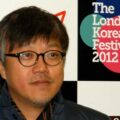
Director Choi Dong-hoon discusses his move from acting to full-time directing, his approach to genre cinema, and why character matters more than message. He explains the creative choices behind The Thieves, casting Jeon Ji-hyun and Kim Hye-soo, working beyond heist films, and balancing Korean stories with growing international audiences. [Read More]
Im Kwon-taek interview: tradition, social norms, and a life in Korean cinema
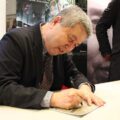
Im Kwon-taek reflects on depicting women’s suffering, Confucian traditions, and communal rituals in Korean society. He discusses pansori and cultural transmission, artistic freedom, life experience as the basis of filmmaking, his long career of 101 films, and his belief that Korean cinema evolves alongside national history. [Read More]
Jeon Kyu-hwan interview: marginal lives, independent filmmaking, creative survival

Director Jeon Kyu-hwan discusses realism and graphic content, his focus on marginalised lives, and the making of low-budget films outside Korea’s commercial system. He reflects on creative independence, financial precarity, narrative experimentation, the Town trilogy, and his belief that cinema must embrace diversity beyond standardised genres. [Read More]
Han Yeo-reum interview: Samaria, The Bow, and working with Kim Ki-duk

Actress Han Yeo-reum discusses her path into acting, roles in Kim Ki-duk’s Samaria and The Bow, performing without dialogue, female sexuality on screen, and working across film and television. She also explains her approach to controversial projects, international recognition, and selecting roles based on story, character, and collaborators. [Read More]
Director Lee Yoon-ki interview: intimate storytelling
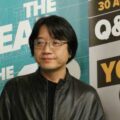
Lee Yoon-ki discusses his unconventional path into filmmaking, his focus on quiet, time-compressed stories of relationships, and adapting short fiction. He explains his actor-centred working methods, restrained use of music, influences from American indie cinema, funding challenges for non-commercial films, and his view of cinema as a universal language. [Read More]
Lee Hyeon-seung interview: feminism, symbolism and genre experimentation in Korean cinema
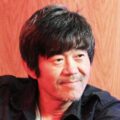
Lee Hyeon-seung discusses subconscious symbolism in Il Mare, feminism and female-centred narratives, sexuality and gender politics, and the expressive use of colour. He reflects on genre experimentation, global consciousness, industry constraints, and his return to directing with Hindsight as a blend of romance, action, and generational dialogue. [Read More]
Yi Seung-jun interview: different ways of feeling the world

Director Yi Seung-jun discusses Planet of Snail, his documentary on a deaf-blind man and his wife, focusing on alternative forms of communication, shared loneliness, love, and everyday life. He also addresses filmmaking beyond pity, differences between TV and cinema documentaries, and his ongoing work with unseen minorities. [Read More]
Which Korean TV programmes would YOU buy?
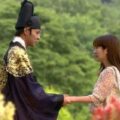
LKL’s editor poses as a TV suit at a 2012 trade fair where a wide range of Korean TV programmes from many genres are being touted to potential UK buyers. He takes a semi-humorous but critical look at which programmes might work for LKL’s hypothetical TV service. TLDR: some will work better than others… [Read More]
Jeon Kye-soo group interview: from cult beginnings to box office success
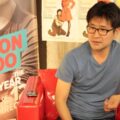
In this wide-ranging interview, director Jeon Kye-soo reflects on his unconventional path from philosophy and theatre to cinema, his genre-blending debut Midnight Ballad for Ghost Theatre, mythological influences, musical inspiration, and the evolution of his work through Love Fiction and beyond. [Read More]
Lim Woo-seong interview: adapting Han Kang’s inner worlds for the screen
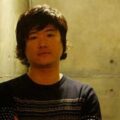
Director Lim Woo-seong discusses adapting Han Kang’s writing for Vegetarian and Scars, exploring trauma, patriarchal violence, desire, religion, and inner conflict. He explains visual strategies, working with actors, sexuality on screen, and portraying psychological wounds that shape identity and relationships. [Read More]
Song Il-gon – interview: from serious cinema to stories everyone can feel

Director Song Il-gon reflects on his journey from philosophical, existential cinema to more audience-focused storytelling. In this group interview, he discusses funding struggles, changing film philosophies, the balance between art and accessibility, and how music, travel, and emotion continue to shape his work. [Read More]
Yoon Jung Lee interview: making films outside the system

Director Yoon Jung Lee discusses Remember O Goddess (later completed as the feature-length Remember You), urban isolation, memory and connection, crowdfunding via Kickstarter, independent filmmaking in Korea, and the challenges facing female directors. A candid, conversation on the subjects of creativity, funding, and finding audiences beyond borders. [Read More]