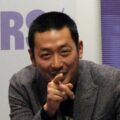
Ha Jung-woo discusses his character-building process, research-driven acting, and transition into directing. He reflects on action and drama roles, collaboration with directors, balancing acting and filmmaking, painting as emotional release, and navigating independent and studio cinema, while sharing insights from films including The Chaser, The Berlin File and The Terror Live. [Read More]
Category: Movie & TV features (page 4)
Lee Joon-ik interview: clowns, kings and wounded souls
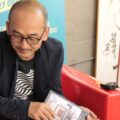
A group conversation with The King and the Clown director Lee Joon-ik on filmmaking without formal training, the role of history and humour in Korean cinema, artistic risk, and why healing human wounds lies at the heart of his work. [Read More]
Lee Joon-ik interview: Hope, humanity and the weight of filmmaking
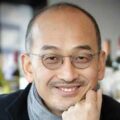
Director Lee Joon-ik explains why Hope/소원 drew him back to filmmaking, outlining its aims to address crimes against children, strengthen legal punishment, and highlight victim support. He discusses reshaping the script, working sensitively with child actor Lee Re, and portraying trauma through shared family and community perspectives. [Read More]
Kang Woo-suk interview: showing the reality of Korean cinema

Director Kang Woo-suk reflects on Korean cinema’s growing freedom to address once-taboo subjects, his recurring focus on social “enemies,” and the primacy of story over character. He discusses adapting webtoons, balancing action and drama in Fists of Legend, and producing films he believes need to exist. [Read More]
Kim Sung-su interview: “Flu” – when disaster feels real

Director Kim Sung-su explains why Flu uses a disease outbreak as a realistic disaster scenario, grounded in recent epidemics and historical trauma. He discusses national self-interest during crises, depictions of Korean and US responses, the symbolic role of leadership, and prioritising entertainment while embedding social themes. [Read More]
Kim Jee-woon interview: “perhaps I’m a workaholic”

Kim Jee-woon explains his continued return to short films as a space for experimentation, genre exploration, and constant creative work. He discusses making a romantic comedy short, the challenges of screening shorts in Korea, and contrasts between Korean and Hollywood production systems shaped by his experience on The Last Stand. [Read More]


Jules Suo interview: “some real heartfelt questions”
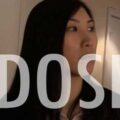
Director Jules Suo discusses developing Dosi from her short 528 New York, drawing on immigrant experience, multicultural New York life, and humanist cinema influences, while navigating independent production, casting across Korea and the US, and funding a first feature through Kickstarter. [Read More]
Choi Min-sik interview: “I don’t like the hammer”

Choi Min-sik reflects on screen quotas and cultural diversity, his director-led approach to choosing roles, and portraying extreme characters through empathy. He discusses violence as social commentary, collaboration with auteurs, international work, historical roles, actor responsibility, and sustaining Korean cinema beyond commercial imperatives. [Read More]
Min Byung-woo interview: cinema on a smartphone
Director Min Byung-woo discusses creating Cats and Dogs, Korea’s first feature-length smartphone film, blending romance with animal metaphors, using animation and webtoons, and the possibilities iPhone filmmaking offers independent cinema amid industry and budget constraints. [Read More]
Ryoo Seung-wan interview: stars, spies and a divided city
Ryoo Seung-wan discusses star power, casting strategy and realism in The Berlin File, explaining Berlin’s symbolism as a divided city, his action-scene preparation, views on foreign markets, writing habits, limited interest in Hollywood, genre influences, and balancing commercial filmmaking with personal priorities. [Read More]
Collaboration and adaptation for inspiration – the second SOAS Years of Radical Change conference
SOAS’s second Years of Radical Change conference, held 31 May – 1 June this year, expanded its remit to deal with Korean screen culture in its widest sense. We are used to conferences about South Korean films, but this year TV and video games were among the topics discussed. And on the second day of … [Read More]
Moon So-ri interview: feminism, craft and the changing landscape of Korean cinema
Moon So-ri reflects on choosing strong female roles, feminism in Korean cinema, and challenging performances such as Oasis. She discusses theatre versus film, physicality in acting, independent and commercial filmmaking, industry consolidation, collaboration with auteurs, and her belief in cinema’s power to broaden representation without being bound by markets or labels. [Read More]
I can’t believe he asked her that

The context was this. It was the Q&A after the 4 April screening at BAFTA of Hong Sang-soo’s Hahaha, attended by the lead actress Moon So-ri, the first featured actor of the KCC’s Year of the Four Actors. Tony Rayns was talking to Moon So-ri about how she got her first screen role. Moon started … [Read More]
Kim In-geun interview: creative life abroad — art, film, and living in London

London-based Korean artist Kim In-geun discusses his move from sculpture to filmmaking, the creation of his debut short One Fine Day, influences from Hong Sang-soo, collaboration across art forms, and themes of creativity, self-consciousness and everyday absurdity within contemporary artistic life. [Read More]