

Director Choo Chang-min and actor Ryoo Seung-ryong discuss their involvement in Masquerade, exploring the appeal of period drama, the story’s modern relevance, casting well-known and emerging actors, artistic freedom, and the different challenges posed by physically demanding versus more restrained roles. [Read More]
Post Series: HC interviews (page 2)
Lee Byung-hun interview: “if you were a king, what would you do?”

Lee Byung-hun reflects on the appeal of Masquerade’s politically open-ended story, balancing humour with seriousness, and the challenges of acting across cultures in Hollywood. He discusses star power versus emerging talent, the value of criticism, and why Korean language and culture remain his strongest creative foundation. [Read More]
Kim Yoon-suk interview: from The Chaser to The Thieves

Kim Yoon-suk discusses his decision to focus exclusively on film, his collaborations with Na Hong-jin, and the appeal of socially grounded, hardcore thrillers. He reflects on the demands of The Thieves, the limits of TV drama production, and why intense genre films travel more easily than Korean comedy on the international stage. [Read More]
Choi Dong-hoon interview: “a genius storyteller”
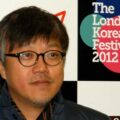
Director Choi Dong-hoon discusses his move from acting to full-time directing, his approach to genre cinema, and why character matters more than message. He explains the creative choices behind The Thieves, casting Jeon Ji-hyun and Kim Hye-soo, working beyond heist films, and balancing Korean stories with growing international audiences. [Read More]
Han Yeo-reum interview: Samaria, The Bow, and working with Kim Ki-duk

Actress Han Yeo-reum discusses her path into acting, roles in Kim Ki-duk’s Samaria and The Bow, performing without dialogue, female sexuality on screen, and working across film and television. She also explains her approach to controversial projects, international recognition, and selecting roles based on story, character, and collaborators. [Read More]
Yi Seung-jun interview: different ways of feeling the world

Director Yi Seung-jun discusses Planet of Snail, his documentary on a deaf-blind man and his wife, focusing on alternative forms of communication, shared loneliness, love, and everyday life. He also addresses filmmaking beyond pity, differences between TV and cinema documentaries, and his ongoing work with unseen minorities. [Read More]
Lim Woo-seong interview: adapting Han Kang’s inner worlds for the screen

Director Lim Woo-seong discusses adapting Han Kang’s writing for Vegetarian and Scars, exploring trauma, patriarchal violence, desire, religion, and inner conflict. He explains visual strategies, working with actors, sexuality on screen, and portraying psychological wounds that shape identity and relationships. [Read More]
Yoon Jung Lee interview: making films outside the system

Director Yoon Jung Lee discusses Remember O Goddess (later completed as the feature-length Remember You), urban isolation, memory and connection, crowdfunding via Kickstarter, independent filmmaking in Korea, and the challenges facing female directors. A candid, conversation on the subjects of creativity, funding, and finding audiences beyond borders. [Read More]
Lee Myung-se interview: “the next Jacques Tati”?
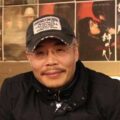
Director Lee Myung-se reflects on his career from Nowhere to Hide to Duelist and M, discussing cinematic rhythm, memory, fantasy, and balance. In this thoughtful interview, he explores how his style evolves while remaining uniquely his own, and why film should be experienced as pure cinema. [Read More]
Ryoo Seung-wan interview: action, justice and laughter

Director Ryoo Seung-wan discusses The Unjust, corruption and justice in Korean cinema, evolving directorial style, acting influences, working with family, and future projects including The Berlin File. An engaging interview blending insight, humour, and candid reflection. [Read More]
Oh In-chun interview: “truth is not always visible”

Director Oh In-chun discusses Metamorphoses as a hybrid of action, horror, and comedy, shaped by cinematic influences and limited resources. He explores themes of desire, hidden truth, and transformation, explains his visual and casting choices, reflects on Korean cinema’s global perception, and outlines ambitions for future genre-driven projects. [Read More]
Kim Han-min interview: history, resistance and the Korean spirit

Kim Han-min talks in depth about Arrow: The Ultimate Weapon, exploring Korean history, genre balance, sound design, and the recurring themes linking his work to Paradise Murdered and Handphone. [Read More]
Kim Kkobbi interview: Flowerain – finding the characters within herself

Kim Kkobbi talks candidly about Breathless, her approach to acting, violence in Korean cinema, working across film and theatre, and her creative life beyond acting in this wide-ranging interview. [Read More]
John H Lee interview: balancing emotion and intellect
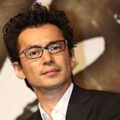
Director John H. Lee discusses “71 – Into the Fire”, balancing ambition and budget in large-scale war scenes, the film’s global reception, and commemorating the Korean War. He also reflects on “A Moment to Remember”, casting Son Ye-jin, director’s cuts, and social themes shaping his films. [Read More]
Im Sang-soo interview: power, patriarchy and provocation in The Housemaid

Director Im Sang-soo discusses his reimagining of the 1960 classic The Housemaid, exploring the intersection of class structure and patriarchal power. He addresses the functional role of graphic sexuality in his films, the serendipitous symbolism of an actress’s scar, and his defiant stance toward commercial expectations and critical reception in the Korean film industry. [Read More]
Kim Ji-woon interview: the utter emptiness of revenge

Kim Ji-woon discusses I Saw the Devil, the controversy over its extreme violence, his approach to revenge and human darkness, casting Lee Byung-hun and Choi Min-sik, and his upcoming Hollywood project. He also reflects on scripting, genre, and how psychological and emotional truths shape his films. [Read More]