
The Tower is a visually breathtaking high-spectacle disaster movie that, in spite of predictability, ultimately succeeds in being more entertaining and exciting than many films of its genre; remaining engaging throughout and even managing to be somewhat moving, on occasion… [Read More]
LKL articles by Hangul Celluloid (page 12)
The Berlin File (베를린, 2013) review: a high-octane journey through espionage, loyalty and humanity

‘The Berlin File’ is at once a tale of political intrigue and a dissection of North and South Korean attitudes to humanity, morals and freedom all wrapped up in a high-octane thriller. While the ultimate narrative destination can largely be predicted, in this case the journey is equally as important, if not more so. [Read More]
Confession of Murder (내가 살인범이다, 2012) review: an action-packed tale of fame and revenge

Brutal at times, humorous at others, Confession of Murder is a thoroughly engaging serial killer tale though it could be said that both its narrative and execution borrow ever so slightly too much from a number of classic, and famously noteworthy, Korean thrillers. [Read More]
Young Gun in the Time (영건 탐정사무소, 2012) review: love, loss, laughter, and lo-fi time travel
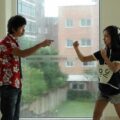
Young Gun in the Time uses classic Korean cinema genre merging to be at once science fiction, mystery thriller, action, romance and comedy. Though it is low budget through-and-through, that is in fact one of the many charms of this warm, engaging and gently funny film. [Read More]
Sweet Dream aka Death’s Lullaby (미몽 / 죽음의 자장가, 1936) review: the fallen woman in early Korean cinema

Sweet Dream uses its dark tale of a woman choosing her own needs over her familial responsibilities to critique the modernisation of Korean society in the 30s. Pulling no punches, Sweet Dream serves up a classic Korean cinema narrative arc complete with what would later become almost requisite melodramatic elements. [Read More]
Moon So-ri interview: feminism, craft and the changing landscape of Korean cinema

Moon So-ri reflects on choosing strong female roles, feminism in Korean cinema, and challenging performances such as Oasis. She discusses theatre versus film, physicality in acting, independent and commercial filmmaking, industry consolidation, collaboration with auteurs, and her belief in cinema’s power to broaden representation without being bound by markets or labels. [Read More]
Thousand Years Old Fox (천년호, 1969) review: gumiho myth and classic Korean horror

Ultimately as important as it is enjoyable, Thousand Years Old Fox takes a ‘classic horror’ tack in its depiction of a disembodied gumiho spirit taking possession of a human body to exact revenge; standing almost as a bridge between standard Asian ghost/evil spirit horror tales and the gumiho horror-romances that would eventually follow. [Read More]
Neighbors (이웃사람, 2012) review: guilt, communal apathy and genre confusion in a serial killer drama
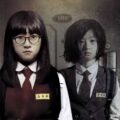
While Korean cinema is well known for its deft ability to merge genres, in ‘Neighbors’ their mixing with a multitude of individual character stories results in a film that, though interesting and well-acted, feels rather cluttered and even schizophrenic on more than one occasion. [Read More]
A Company Man (회사원, 2012) review: of hierarchies and hitmen
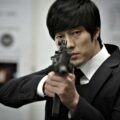
Superbly choreographed, perfectly realised action/fight sequences ultimately cannot hide A Company Man’s narrative predictability and though director Lim Sang-yoon should indeed for credited for attempting a critique of company hierarchy, work ethics and expected loyalty, this dissection feels somewhat underwhelming. [Read More]
The Road (길, 2006) review: past wounds and quiet healing

Bae Chang-ho’s scenic road movie follows a blacksmith and a troubled young girl whose chance meeting leads to a shared walk and an emotional reckoning. A physical journey on foot to a specific geographical destination soon becomes a journey of the heart, mind and soul in search of an inner place of peace. [Read More]
The Taste of Money (돈의 맛, 2012) review: power, sex and emotional emptiness
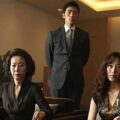
While Im Sang-soo’s The Taste of Money’s narrative is without question an interesting concept in its extension of a subject previously dissected in his Housemaid remake, by the very nature of the characters portrayed it was always going to risk falling flat emotionally. And fall flat The Taste of Money does. [Read More]
King of Pigs (돼지의 왕, 2011) review: the cost of becoming a monster

Through fractured memories of brutal school bullying King of Pigs explores how rigid hierarchies, violence, and desperation shape identity. While the ideas of ‘violence begets violence’ are indeed inherent to the narrative, they really are just the tip of the iceberg within this dark, brooding and brutal dissection of humanity itself. [Read More]
The Uninvited / Table for 4 (4인용식탁, 2003) review: a haunting exploration of real-life horror and family secrets

Ominous, brooding and foreboding throughout, The Uninvited/Table for 4 centres on horrors, atrocities and tragedies based in reality and, as such, is far more powerful, worthy and indeed horrifying than the majority of New Korean Cinema wave vengeful ghost-fests ever could be. [Read More]
Eungyo aka A Muse (은교, 2012) review: aging, loneliness, and the pursuit of a muse

Eungyo is, on the surface, the story of a controversial relationship between a 70-year-old man and a high school girl, but ultimately provides a moving dissection of age and loneliness that deserves to be described as more than simply an ‘erotic thriller’, though both thrilling and erotic it is. [Read More]
Pieta (피에타, 2012) review: violence, abandonment and redemption on the margins of society

With Pieta, Kim Ki-duk has created a searing dramatic thriller set on the very cusp of society adding in copious social commentary, in the process. A film that is both worthy of his talent and utterly deserving of the numerous accolades it has received. [Read More]
Kim In-geun interview: creative life abroad — art, film, and living in London

London-based Korean artist Kim In-geun discusses his move from sculpture to filmmaking, the creation of his debut short One Fine Day, influences from Hong Sang-soo, collaboration across art forms, and themes of creativity, self-consciousness and everyday absurdity within contemporary artistic life. [Read More]