

Ultimately as important as it is enjoyable, Thousand Years Old Fox takes a ‘classic horror’ tack in its depiction of a disembodied gumiho spirit taking possession of a human body to exact revenge; standing almost as a bridge between standard Asian ghost/evil spirit horror tales and the gumiho horror-romances that would eventually follow. [Read More]
Hangul Celluloid Korean film reviews (page 9)
Neighbors (이웃사람, 2012) review: guilt, communal apathy and genre confusion in a serial killer drama
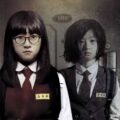
While Korean cinema is well known for its deft ability to merge genres, in ‘Neighbors’ their mixing with a multitude of individual character stories results in a film that, though interesting and well-acted, feels rather cluttered and even schizophrenic on more than one occasion. [Read More]
A Company Man (회사원, 2012) review: of hierarchies and hitmen
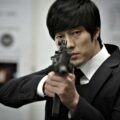
Superbly choreographed, perfectly realised action/fight sequences ultimately cannot hide A Company Man’s narrative predictability and though director Lim Sang-yoon should indeed for credited for attempting a critique of company hierarchy, work ethics and expected loyalty, this dissection feels somewhat underwhelming. [Read More]
The Road (길, 2006) review: past wounds and quiet healing

Bae Chang-ho’s scenic road movie follows a blacksmith and a troubled young girl whose chance meeting leads to a shared walk and an emotional reckoning. A physical journey on foot to a specific geographical destination soon becomes a journey of the heart, mind and soul in search of an inner place of peace. [Read More]
The Taste of Money (돈의 맛, 2012) review: power, sex and emotional emptiness

While Im Sang-soo’s The Taste of Money’s narrative is without question an interesting concept in its extension of a subject previously dissected in his Housemaid remake, by the very nature of the characters portrayed it was always going to risk falling flat emotionally. And fall flat The Taste of Money does. [Read More]
King of Pigs (돼지의 왕, 2011) review: the cost of becoming a monster

Through fractured memories of brutal school bullying King of Pigs explores how rigid hierarchies, violence, and desperation shape identity. While the ideas of ‘violence begets violence’ are indeed inherent to the narrative, they really are just the tip of the iceberg within this dark, brooding and brutal dissection of humanity itself. [Read More]
The Uninvited / Table for 4 (4인용식탁, 2003) review: a haunting exploration of real-life horror and family secrets

Ominous, brooding and foreboding throughout, The Uninvited/Table for 4 centres on horrors, atrocities and tragedies based in reality and, as such, is far more powerful, worthy and indeed horrifying than the majority of New Korean Cinema wave vengeful ghost-fests ever could be. [Read More]
Eungyo aka A Muse (은교, 2012) review: aging, loneliness, and the pursuit of a muse
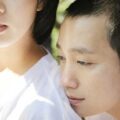
Eungyo is, on the surface, the story of a controversial relationship between a 70-year-old man and a high school girl, but ultimately provides a moving dissection of age and loneliness that deserves to be described as more than simply an ‘erotic thriller’, though both thrilling and erotic it is. [Read More]
Pieta (피에타, 2012) review: violence, abandonment and redemption on the margins of society

With Pieta, Kim Ki-duk has created a searing dramatic thriller set on the very cusp of society adding in copious social commentary, in the process. A film that is both worthy of his talent and utterly deserving of the numerous accolades it has received. [Read More]
A Werewolf Boy (늑대소년, 2012) review: tender emotion, predictable path
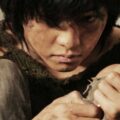
A Werewolf Boy blends romance, fantasy and Korean melodrama into a warm, gently told story of love and otherness. While beautifully shot and anchored by strong performances, its familiar themes and uneven characterisation prevent it from fully transcending genre conventions, making the film more sweet than truly heartbreaking. [Read More]
The Concubine (후궁: 제왕의 첩, 2012) review: power, desire and matriarchal control in Joseon Korea

A sumptuous and erotically-charged period drama, both visually and in terms of narrative content, and playing with themes of patriarchy and a domineering mother as well as a volatile love triangle, ‘The Concubine’ is every bit as gripping as it is intricate; as involving as it is involved. [Read More]
Crocodile (악어, 1996) review: Kim Ki-duk’s brutal debut on the banks of the Han River
Kim Ki-duk’s debut feature, ‘Crocodile’ points to themes, narrative elements and directorial style that would become his trademarks over the years. A gripping story, both because of and despite its violence, Crocodile is a must for those who wish to see the early, burgeoning talent of one of Korea’s most controversial directors. [Read More]
Helpless (화차, 2012) review: love, lies and disappearance

A deftly layered mystery thriller with depth, Helpless initially appears as the story of one man’s desperate search for his missing fiancée, gradually morphing to detail the myriad of lies his wife-to-be has told, with the “why” being every bit as important as the wherefore. [Read More]
In Between Days (방황의 날들, 2006) review: frozen landscapes, tangled emotions

A meditative and thought-provoking film set in snowy Northern Canada which charts the inner turmoil of a girl struggling to come to terms with a new life in a new country, and navigating her changing feelings. In Between Days is beautifully filmed, superbly acted and expertly realised. [Read More]
Lies (거짓말, 1999) review: exploring the boundaries of consent and control

An affair between an 18-year-old girl and a married older man escalates into increasingly extreme sexual territory. Uncomfortably explicit, Lies mixes voyeuristic techniques and discomforting narrative with moments of confrontational humour and fragments of meta-cinema to produce a film that is both difficult to watch and hard to turn away from. [Read More]
Man of Vendetta (파괴된 사나이, 2010) review: respectable thriller, shame about the title

While “race against time” thrillers are two-a-penny in almost any culture, not least South Korean cinema, Man of Vendetta nonetheless manages to supplant expectations on several occasions and, thankfully, steers clear of any forced upbeat moments and saccharine segments to allow for some genuine unpredictability and gravitas to be displayed. [Read More]